
Used Electric Car Inspection Checklist: 15 Things to Check Before You Buy
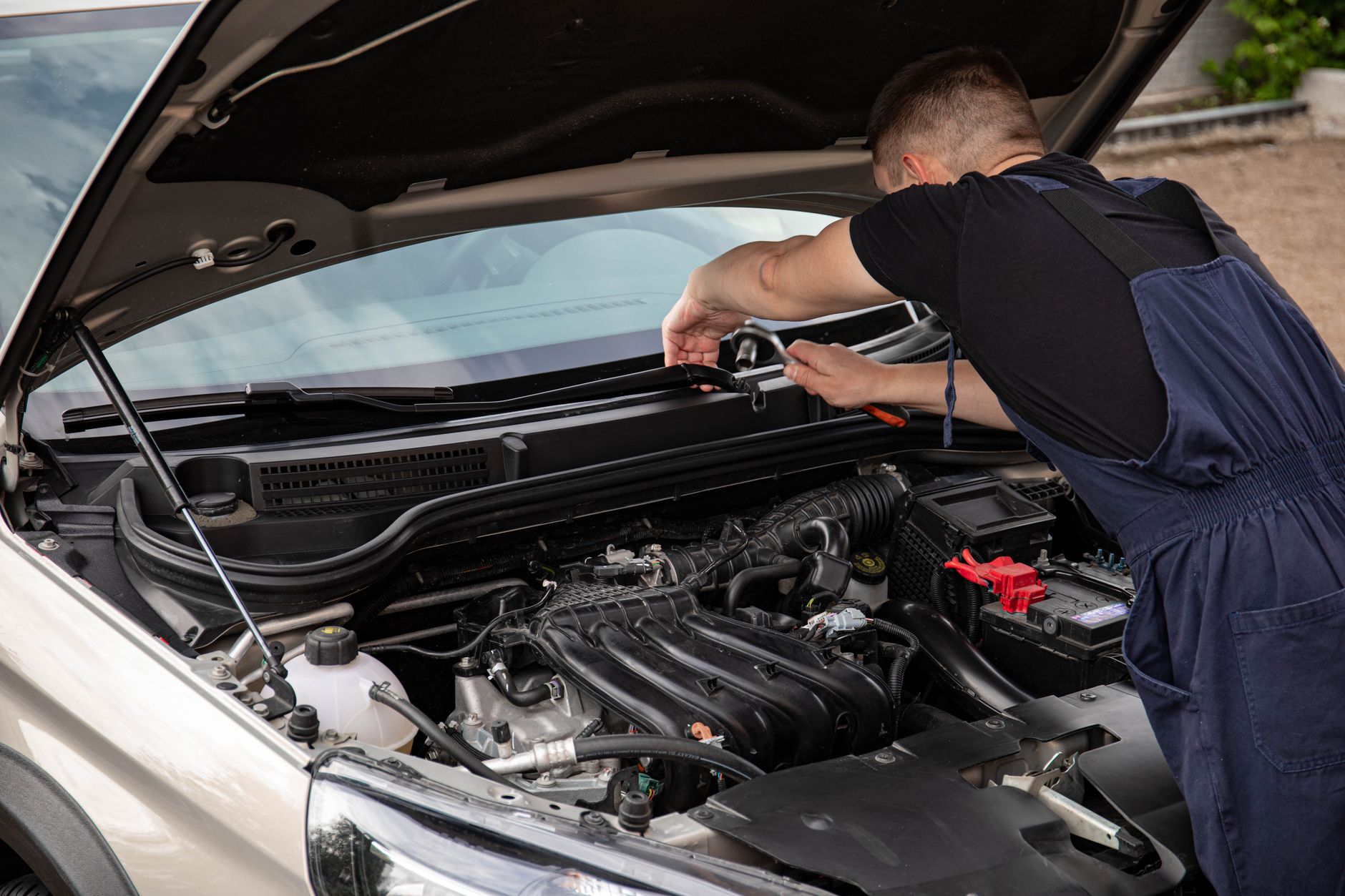
The used EV market is having a moment right now. As more off-lease electric cars hit dealer lots and online marketplaces, prices have become far more tempting than they were even a year ago. That is great news for buyers, but it also means more people are shopping used EVs without really knowing what to look for. A smart used electric car inspection checklist matters more than ever because the biggest risks are not always obvious on a quick test drive.
A used gasoline car can hide problems in the engine or transmission. A used electric car can hide expensive issues in the battery, charging system, software, cooling hardware, and even the tires. The good news is that you do not need to be an engineer to spot trouble. You just need a clear process.
Start With the Battery, Not the Paint
If you only check one thing, make it the battery. In a used EV, battery condition affects everything from range to resale value to daily usability.
Ask for a battery health report if the seller has one. Some brands and third-party tools can show state of health, charging history, and fault codes. If the seller cannot provide that, at least compare the displayed full-charge range estimate with the original EPA range for that model year. A little loss is normal. A huge gap deserves questions.
A few smart battery checks:
- Look for realistic range loss. Many EVs lose some capacity over time, but a car showing far less range than expected for its age and mileage may have heavy degradation.
- Ask how it was charged. A car fast-charged constantly may not automatically be bad, but it is worth knowing.
- Check for battery warranty coverage. Many EV batteries are still under warranty for years, but terms vary by brand and state.
- Watch for warning lights. Any battery, powertrain, or charging system warning should be treated seriously.
If possible, get a pre-purchase inspection from a shop that actually understands EVs. Not every mechanic does.
Inspect Charging Performance in the Real World
A used EV can look perfect on the lot and still be annoying to live with if it charges poorly. That is why every used electric car inspection checklist should include both home charging and DC fast charging checks.
Start with the charge port itself. Look for damage, corrosion, loose pins, or a door that does not close properly. Then test charging if you can.
Here is what to verify:
- Level 2 charging works. Plug into a home-style or public Level 2 charger and confirm the car starts charging normally.
- Fast charging is not unusually slow. If the car supports DC fast charging, see whether it begins charging at a reasonable rate for its battery size and current charge level.
- Charging cables are included. Portable chargers and adapters can be expensive to replace.
- The charge port lock and release work. Small issue, big daily frustration.
Also ask whether the car has any charging-related software updates pending. On some models, charging behavior improves or changes after updates.
Check Tires, Brakes, Suspension, and Cabin Wear
A lot of shoppers focus so much on the battery that they forget the rest of the car still matters. In fact, EVs can be harder on tires because they are heavy and deliver instant torque.
Look closely at:
- Tire tread and uneven wear. Uneven wear can point to alignment or suspension issues.
- Brake condition. EVs use regenerative braking, so pads may last longer, but rotors can still rust if the car sits a lot.
- Suspension noises. Clunks over bumps are never a good sign.
- Cabin electronics. Test the touchscreen, cameras, sensors, heated seats, climate system, and driver-assist features.
Do not ignore water leaks or musty smells either. EVs are not immune to worn seals, clogged drains, or flood damage. If the car has been in a flood-prone area, be extra cautious.
Review Software, Recalls, and Ownership History
One of the biggest differences between a used EV and a used gas car is how much the ownership experience depends on software. A car can have great hardware and still feel outdated if the software is buggy or unsupported.
Before buying, check:
- Open recalls. Use the VIN to search for unresolved recalls.
- Over-the-air update status. Ask whether the car is current on updates.
- App access and account transfer. Make sure the previous owner can remove the car from their account.
- Connected services. Some features may require subscriptions or may not transfer cleanly.
- Service history. Regular maintenance matters, even for EVs.
It is also worth checking whether the car has had repeated issues with charging, battery cooling, or infotainment. One repair is not always a dealbreaker. A pattern is.
Take a Test Drive That Actually Tests the EV
A quick loop around the block is not enough. Your test drive should tell you how the car behaves in normal use, not just whether it moves.
Try to include:
- City driving and highway speeds
- Acceleration from a stop and merging
- Regenerative braking in different modes
- Climate control use while driving
- Parking camera and sensor checks
- A charging session if the seller allows it
Pay attention to strange noises, vibration, warning messages, inconsistent range estimates, or hesitation when accelerating. Also note how the car feels in one-pedal driving if it offers that feature. Some shoppers love it, some hate it, and some used EVs implement it better than others.
If the car has advanced driver-assistance features, test them carefully. Make sure lane keeping, adaptive cruise, parking sensors, and cameras all behave normally.
Conclusion: Buy the Battery, Not Just the Badge
A used EV can be one of the best values in the market right now, especially with more inventory and softer prices. But the best deal is not the cheapest car on the listing page. It is the one that passes a careful used electric car inspection checklist with no expensive surprises hiding underneath.
Focus on battery health first, charging performance second, and then the normal used-car basics like tires, brakes, suspension, and service records. If the seller is transparent, the car charges properly, and the range still fits your daily life, you are probably looking at a solid buy.
If you are shopping soon, save this used electric car inspection checklist, bring it to the test drive, and compare a few vehicles side by side. The right used EV should feel simple, quiet, and easy to own from day one.