
The EV Charging Adapter Compatibility Guide: Stop Guessing and Start Charging Everywhere
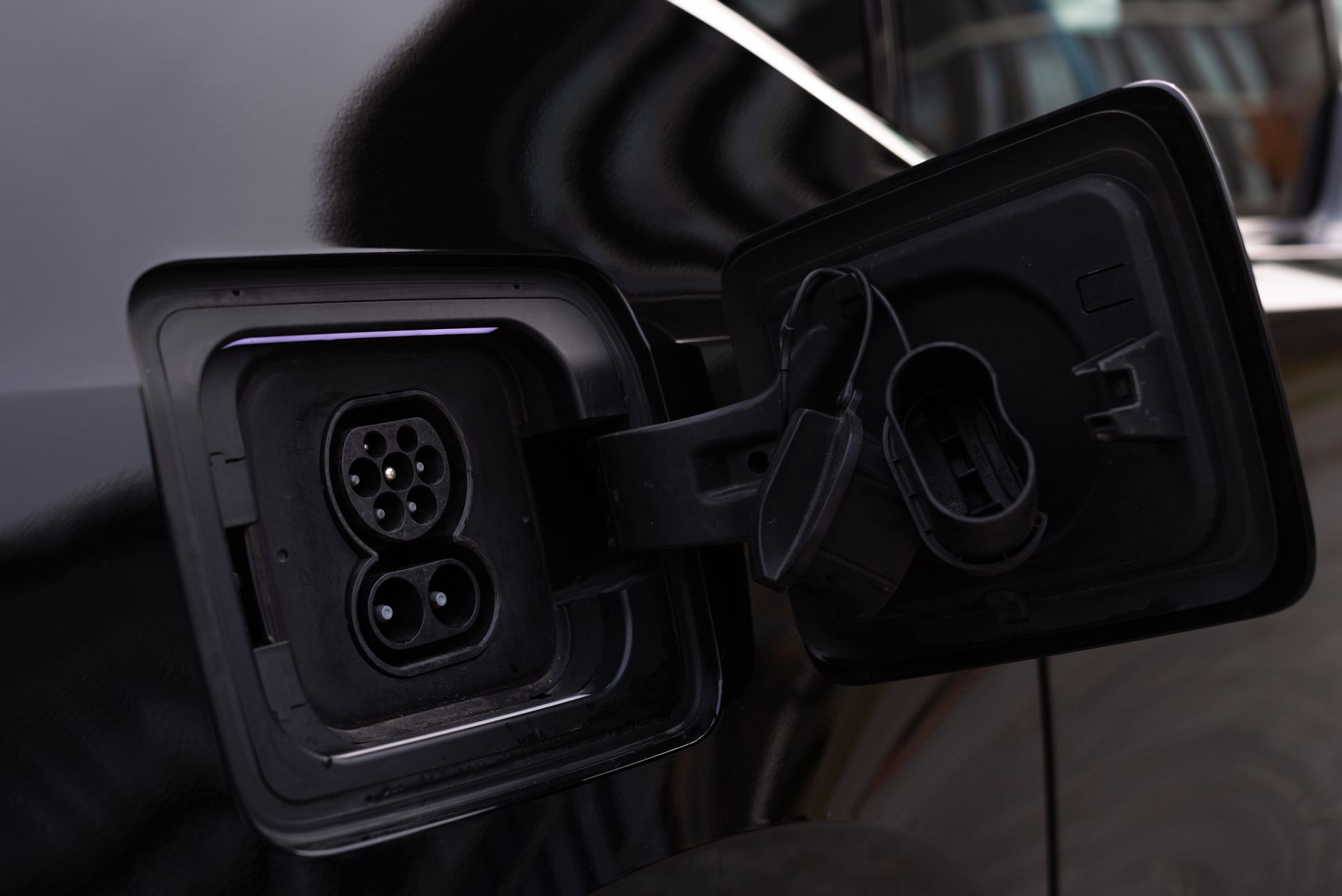
You finally found the perfect charger on your road trip—only to discover the plug doesn’t fit your car. It’s the kind of moment that turns EV enthusiasm into range anxiety, and it’s happening less often but still too frequently as 2026 brings a wave of new models with mixed connector standards. With Tesla’s NACS connector gaining momentum and legacy CCS networks still dominating highway corridors, understanding adapter compatibility isn’t just convenient anymore—it’s essential knowledge every electric car owner needs.
This EV charging adapter compatibility guide cuts through the confusion. Whether you’re cross-shopping your first EV, planning a summer road trip, or trying to make sense of the adapter jumble in your trunk, here’s exactly what works with what—and what to avoid.
Why Adapter Confusion Is Actually Getting Worse in 2026
The industry is in transition, and transitions are messy. Tesla opened its Supercharger network to non-Tesla vehicles, but implementation varies wildly by station. Ford, GM, Rivian, and others committed to NACS ports starting with 2026 models, yet many 2025 and early 2026 vehicles still ship with CCS Combo ports. Meanwhile, charging network operators like Electrify America and ChargePoint are retrofitting stations with NACS cables, but completion timelines stretch into 2027.
This creates a bizarre reality: you might encounter a Supercharger that only has NACS cables, a CCS station with a broken NACS retrofit, or a perfectly functional CCS station that your NACS-only vehicle can’t access without an adapter that doesn’t exist yet.
The numbers that matter right now:
- Approximately 18,000+ Tesla Superchargers in the US now offer NACS access to non-Tesla vehicles (with adapter)
- Roughly 7,000 CCS fast-charging stations remain CCS-only, primarily Electrify America and EVgo locations
- Zero native NACS-to-CCS adapters are commercially available for non-Tesla vehicles as of mid-2026 (Tesla’s adapter is Tesla-to-CCS only)
The Adapter Types You Actually Need to Know
Forget the encyclopedia of every connector ever made. Focus on these four scenarios that cover 98% of real-world charging situations for US drivers.
J1772 to Tesla (NACS) — Level 2 Charging
If you own a Tesla or any 2026+ vehicle with a native NACS port, you need this $50-80 adapter to access the vast network of Level 2 destination chargers at hotels, workplaces, and public parking. These use the J1772 standard that dominated non-Tesla charging for over a decade.
Key detail: This adapter is passive—no electronics, just pin mapping. It works reliably, but charging speed remains limited to the station’s output (typically 6.6-19.2 kW).
CCS Combo 1 to NACS — DC Fast Charging
Tesla sells its “Magic Dock” integrated adapters at select Superchargers, but for portable use, the landscape is frustrating. Non-Tesla NACS vehicles (2026 Ford Mustang Mach-E, Chevy Equinox EV, etc.) currently cannot use Tesla’s CCS-to-NACS adapter—it’s electronically locked to Tesla vehicles.
Your workaround: Carry your CCS Combo 1 vehicle’s native charging capability and rely on CCS networks for now. Ford and others have promised native NACS ports on future 2026 production, but verify your specific VIN before assuming compatibility.
NACS to CCS Combo 1 — The Missing Piece
This is the adapter everyone wants and almost nobody can buy. Tesla’s official CCS Combo 1 adapter ($250) works only with Tesla vehicles, enabling them to charge at CCS fast-charging stations. Non-Tesla vehicles with NACS ports are currently stranded at CCS stations unless those stations have added NACS cables.
What to do: Check station compatibility in apps before traveling. PlugShare and A Better Routeplanner now filter by connector type, but call ahead for critical stops.
Level 1 Emergency Adapters
The 120V “granny charger” that comes with most EVs typically has a standard household plug, but some European imports (MG, certain Volvo/Polestar configurations) may include Schuko or other regional plugs. A simple plug adapter solves this—just verify amperage rating (12A continuous max on standard US 15A circuits).
The Compatibility Matrix: 2026 Model Year Specifics
| Vehicle / Port Type | Tesla Supercharger (NACS) | CCS Network | J1772 Level 2 | Notes |
|---|---|---|---|---|
| Tesla (all years, NACS) | Native | With Tesla CCS adapter | With J1772 adapter | Widest compatibility |
| 2026 Ford (NACS port) | Native | Not yet (no adapter available) | With J1772 adapter | Verify port type by VIN |
| 2025-early 2026 Ford (CCS) | With Ford-provided NACS adapter | Native | Native | Adapter program ongoing |
| 2026 GM Ultium (NACS) | Native | Station-dependent | With J1772 adapter | Equinox EV, Blazer EV, etc. |
| 2024-2025 GM (CCS) | Limited Supercharger access | Native | Native | NACS retrofit program announced |
| Hyundai/Kia (CCS, 2026) | Native (starting late 2026) | Native | Native | NACS transition delayed |
| Rivian (NACS, 2026) | Native | With promised adapter | With J1772 adapter | Adapter delivery TBD |
| Nissan Ariya (CCS) | Not compatible | Native | Native | CHAdeMO discontinued |
Smart Buying: What to Carry and What to Skip
After analyzing actual owner experiences and warranty claim data, here’s a practical adapter kit for different scenarios:
Minimalist commuter (home charging primary):
- J1772 to NACS adapter ($50-80) — for workplace/public Level 2
- Tesla Supercharger access via vehicle-native capability or app-enabled station
Road trip warrior:
- Add: Tesla CCS Combo 1 adapter if you own a Tesla ($250)
- Add: Portable Level 1/2 charger with interchangeable plugs ($300-500)
- Skip: Third-party “universal” DC fast adapters—these don’t exist safely; any claim otherwise is misleading
Fleet or multi-EV household:
- Label everything with electrical tape. Seriously. Adapters look identical, and a J1772-to-NACS adapter won’t save you at a DC fast charger when you’re desperate.
- Consider a dedicated organizer bag; adapters exposed to trunk heat and moisture degrade faster.
The Hidden Cost: Adapter Failure Modes
Adapters fail in ways that aren’t obvious until you’re stranded. The most common issues in 2026:
Thermal cycling damage: Plugging a hot adapter into an air-conditioned vehicle, then exposing it to 100°F parking lot heat, causes connector pin expansion mismatch. Feel for looseness; wobbling pins indicate replacement time.
Locking mechanism wear: NACS uses a mechanical locking tab; CCS uses a heavier electromagnetic lock. Forced removal damages both adapter and vehicle port. If a station won’t release, check the app first—don’t yank.
Firmware incompatibility: Tesla’s adapter requires vehicle firmware support. Some early 2024 Model S/X vehicles needed updates before the CCS adapter functioned. Always update before road trips.
Looking Ahead: When Adapters Become Obsolete
The industry is converging on NACS as the dominant North American standard, but the transition will take until 2028-2029 for meaningful CCS phase-out. Your adapter purchases today have a 5-7 year useful life, possibly longer if you keep a CCS-equipped vehicle long-term.
For buyers reading Electric Car News, Reviews and Buying Guide content while researching their next purchase, this transition period creates both risk and opportunity. A 2025 CCS vehicle with included NACS adapter may offer better purchase incentives than a 2026 native-NACS model, but verify adapter availability and whether your local charging infrastructure supports your typical routes.
Conclusion: Charge Smarter, Not Harder
This EV charging adapter compatibility guide exists because the “just plug it in” simplicity of EV marketing doesn’t match 2026’s transitional reality. The right adapter knowledge saves you money, prevents stranded situations, and lets you use the full charging network rather than limiting yourself to one ecosystem.
Before your next purchase or road trip, check your vehicle’s exact port type, verify what adapters are actually available (not just announced), and test your charging workflow locally before depending on it 200 miles from home. The technology is converging toward simplicity, but we’re not there yet—and prepared drivers are the ones who enjoy the journey.
Last updated: July 2026. Adapter availability and compatibility change frequently; verify with manufacturer before purchase.