
The Complete Guide to Using an Electric Car for Camping Power (2026)
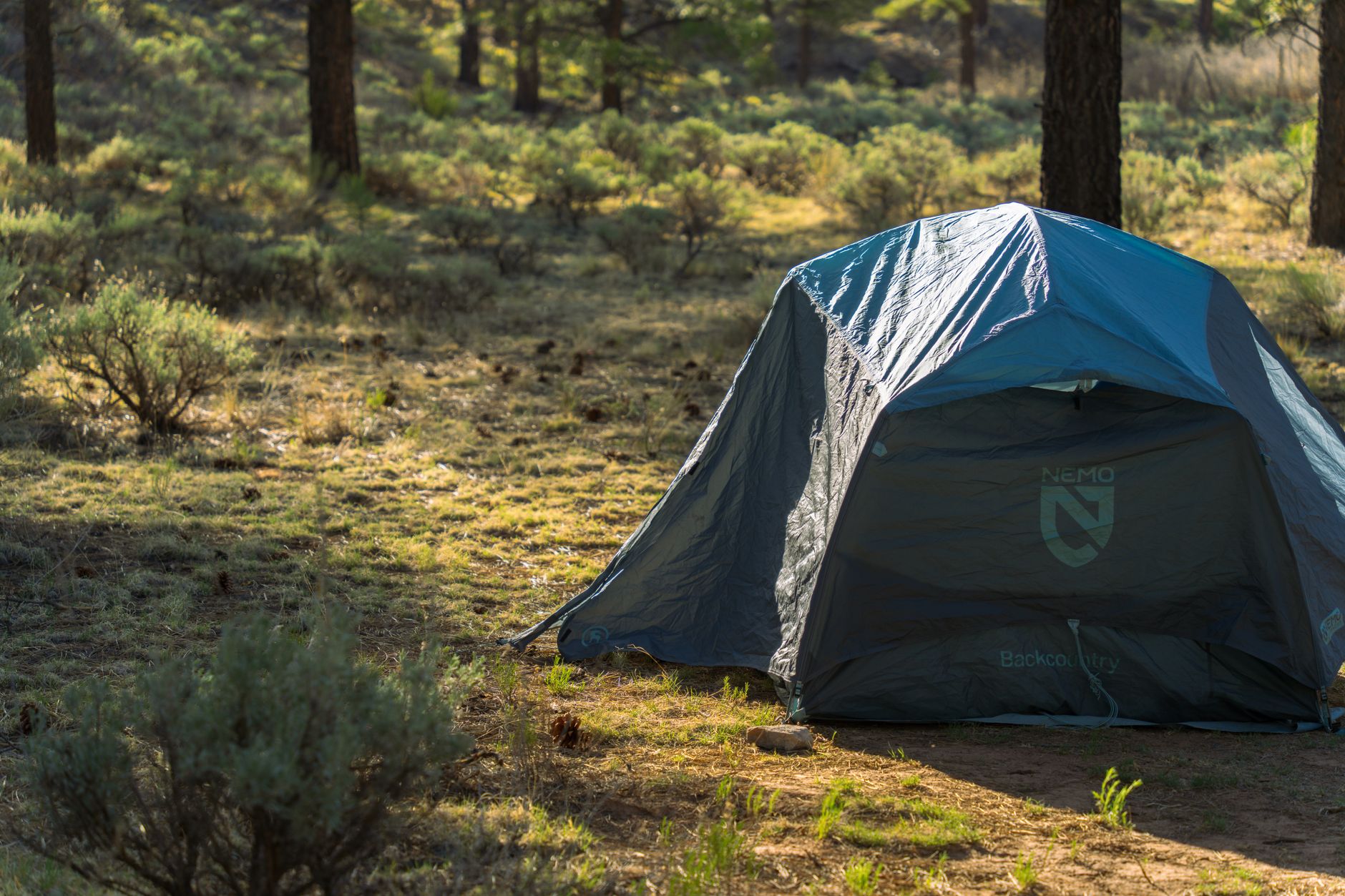
Fall camping season is here, and something interesting is happening at campgrounds across the country: fewer rumbling generators, more extension cords plugged into cars. With vehicle-to-load (V2L) technology now standard on dozens of 2025 and 2026 EV models, the idea of using an electric car for camping power has gone from niche hack to mainstream strategy. Hyundai, Kia, Ford, Rivian, and even GM now ship vehicles that can run everything from a coffee maker to a full campsite kitchen.
But here’s the thing — not every EV handles this well, and there’s a right way and a very wrong way to set it up. This guide walks you through exactly how to turn your EV into a silent, fume-free power station, which vehicles do it best, and how to avoid waking up to a dead battery 40 miles from the nearest charger.
Why Your EV Is Basically a Giant Battery on Wheels
A typical portable power station — think a Jackery 1000 or EcoFlow Delta — stores about 1 to 2 kWh of energy. Your EV? Somewhere between 60 and 130 kWh. That’s the equivalent of stacking 50 portable power stations in your driveway.
The magic happens through vehicle-to-load (V2L) capability, which lets your car output standard household AC power. Depending on the vehicle, you’ll get one of three setups:
- Interior/exterior outlets — Hyundai and Kia’s E-GMP vehicles (Ioniq 5, EV6, EV9) offer up to 3.6 kW through an adapter that plugs into the charge port
- Built-in bed or frunk outlets — The Ford F-150 Lightning’s Pro Power Onboard delivers up to 9.6 kW across multiple 120V and 240V outlets
- Full bidirectional systems — Rivian, Cybertruck, and GM’s Ultium trucks offer outlet arrays plus home backup capability
For context, 3.6 kW runs a portable induction cooktop (1,800W), a string of LED lights (50W), and a small electric cooler (60W) simultaneously — with room to spare.
Best Electric Cars for Camping Power in 2026
Not all V2L systems are created equal. Here’s how the top contenders stack up for campsite duty:
Hyundai Ioniq 5 / Kia EV6 — The budget-friendly entry point. The 3.6 kW V2L adapter (around $300–400 if not included) handles most camping loads. The flat floor and reclining seats also make these genuinely sleepable. Expect roughly 1% battery drain per hour running moderate loads.
Kia EV9 — Same V2L output, but with three rows and a cavernous interior. Great for families who want to power a base camp while sleeping in a rooftop tent.
Ford F-150 Lightning — The overkill option, in the best way. With 9.6 kW of Pro Power Onboard and up to 131 kWh of battery (Extended Range), you could run an entire group campsite. The frunk outlets are perfectly positioned for a camp kitchen.
Rivian R1T / R1S — 1,500W across multiple outlets, plus the brilliant Camp Speaker and Gear Tunnel ecosystem. The R1S’s flat-folding seats create a legitimate sleeping platform.
Tesla Cybertruck — Powershare delivers 9.6 kW continuous with five outlets. Love it or hate it, it’s a rolling generator with 123 kWh on tap.
One notable gap: standard Teslas (Model 3/Y) still lack native V2L, though aftermarket inverters connected to the 12V system can handle small loads like laptops and lights.
The Battery Math: How Long Will Your Charge Last?
This is where most first-timers get nervous, so let’s do the actual numbers.
A typical weekend camping setup might include:
- Electric cooler (12V compressor style): ~40W average = roughly 1 kWh per day
- Induction cooking, 3 meals: ~1.5 kWh per day
- String lights, phone/laptop charging, fan: ~0.5 kWh per day
- Total: approximately 3 kWh per day
On an EV with a 77 kWh battery (like an Ioniq 5), a full weekend of camping power uses about 6–8 kWh — roughly 8–10% of your battery, or 20–25 miles of range. That’s it.
The golden rule: Arrive with at least 80% charge and set a hard floor. Most V2L systems let you configure an automatic cutoff — set it to 40–50% if you’re in a remote area, or 25–30% if there’s a DC fast charger within 30 miles. The car will shut off power delivery before it strands you.
One pro tip: precondition your battery usage. If you know you’ll run the car’s camp mode climate control overnight (roughly 1–2 kWh per night in mild weather, more in cold), factor that in separately. Climate control is almost always your biggest overnight draw.
Setting Up Your Electric Car for Camping Power: A Practical Checklist
Here’s the setup process that works, refined over many nights in the field:
-
Position first, plug in second. Park the car where you want your power hub — usually near the cooking area, not the tent. You can’t easily move it once everything’s connected.
-
Use a heavy-duty outdoor extension cord. A 12-gauge, 25-foot cord rated for outdoor use handles 1,800W safely. Cheap 16-gauge cords will overheat under sustained cooking loads.
-
Add a small power strip with surge protection. This gives you multiple outlets from a single V2L point and protects sensitive electronics.
-
Keep the car “awake.” Some EVs time out and shut off V2L. On Hyundai/Kia, the system stays active while enabled in the EV menu. On the Lightning, Pro Power Onboard runs indefinitely until your cutoff threshold.
-
Weatherproof your connections. A simple $15 weatherproof outlet cover or even a plastic bin flipped over your power strip keeps rain out of the equation.
-
Skip the resistive heater. A 1,500W space heater will eat 12+ kWh overnight. Instead, use a 12V electric blanket (50W) or the car’s camp mode — both are dramatically more efficient.
What About Solar and Off-Grid Extending?
For trips longer than a weekend, pairing your EV with portable solar panels creates a genuinely self-sufficient setup. A 400W folding solar array can trickle 1.5–2 kWh per day into a portable power station, which then handles your small loads — letting the car’s battery stay reserved for cooking and emergencies.
Some overlanders go further with DC-to-DC charging setups that feed solar directly into the EV’s 12V system, though this is advanced territory and can risk warranty issues. For most campers, the simpler play is: solar charges the small stuff, the EV handles the big loads.
Also worth knowing: an increasing number of campgrounds now offer EV charging at campsites. KOA has been rolling out Level 2 chargers at hundreds of locations, and Hipcamp listings increasingly filter for EV-friendly sites. Arrive, plug into the pedestal, and run your campsite off shore power while your car stays topped off — the best of both worlds.
The Bottom Line
Using an electric car for camping power is one of those rare upgrades that’s better in every way than what it replaces: no generator noise disturbing your neighbors, no gasoline fumes, no extra equipment to haul, and enough energy to run a campsite for a week without breaking a sweat.
If you’re shopping for a new EV and camping matters to you, put V2L capability on your must-have list alongside range and charging speed — it’s the feature you’ll use more than almost any other. And if you already own a V2L-equipped EV, grab the adapter, a good extension cord, and an electric cooler, and go find out why the quietest campsite in the loop is usually the one with an EV parked in it. Just set that battery cutoff floor before your first night, and you’ll never have to explain to a ranger why you need a jump start in the backcountry.