
The Best Plug In Hybrid Commuter 2026: Electric Only Miles That Actually Save You Money
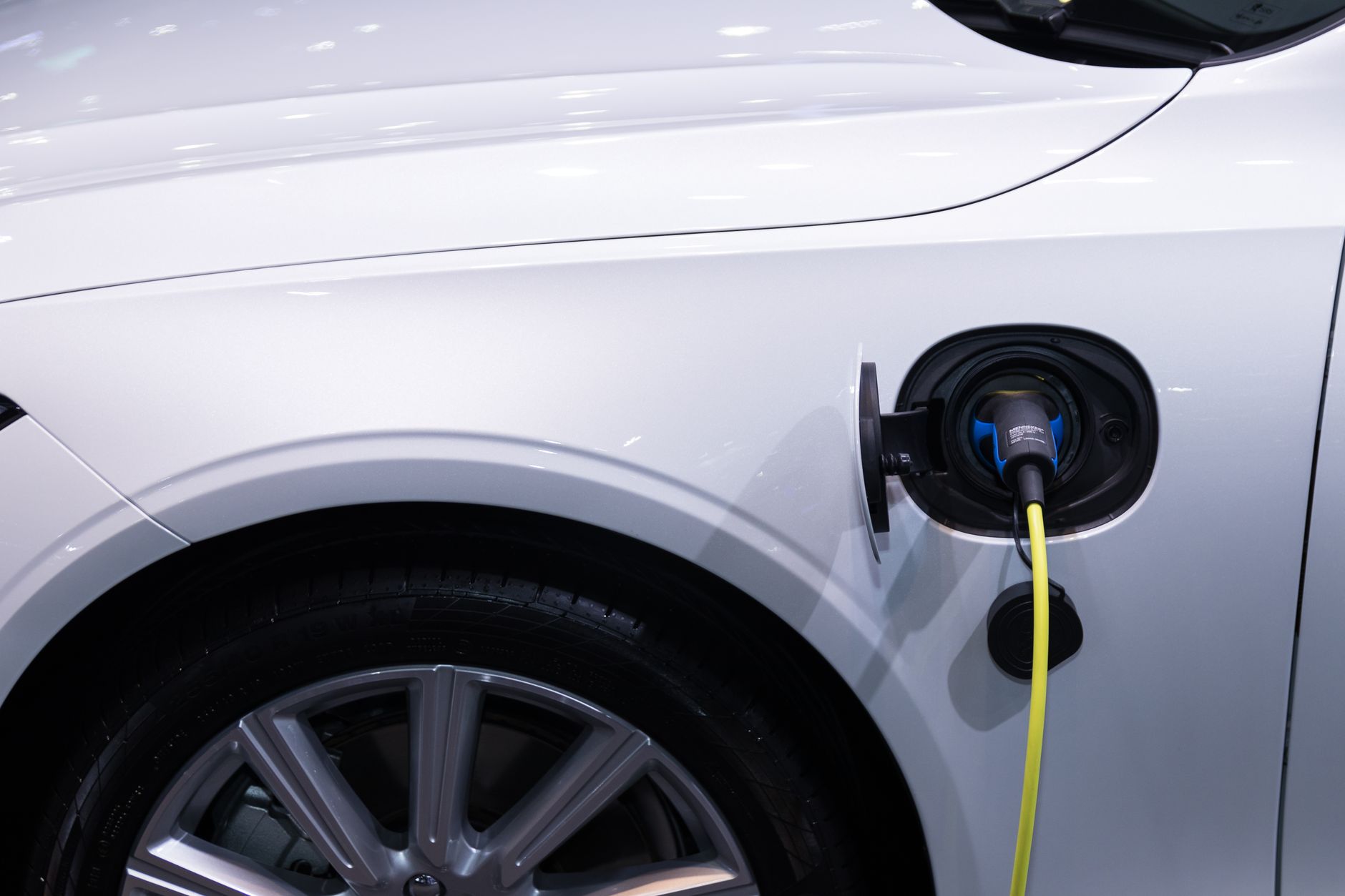
The morning commute just got a lot more interesting. As InsideEVs recently reported, 2026 PHEV sales are surging past pure EVs in several key markets—not because drivers are abandoning electric, but because they’re getting smarter about how they electrify. With workplace charging still spotty and apartment dwellers locked out of overnight Level 2, the best plug in hybrid commuter 2026 electric only miles leaders are becoming the pragmatic choice for millions of daily drivers.
But here’s the catch: not all electric-only ranges are created equal. That “50 miles” on the window sticker? It might be 38 in February with your heater blasting. This guide cuts through the EPA optimism and ranks the 2026 PHEVs that actually deliver enough electric-only miles to handle your round-trip commute without burning a drop of gas.
Why Electric-Only Miles Matter More Than Total Range
Most PHEV marketing shouts about combined range—“700 miles with gas and electric!” That’s useless if you’re trying to avoid the pump entirely. The whole point of a plug-in hybrid commuter is gas independence for daily driving, with the engine as backup for road trips and emergencies.
Here’s the math that matters: the average American commute is 41 miles round-trip. Add a lunch errand or gym stop, and you’re easily at 50 miles. To never touch gasoline during the work week, you need a PHEV with real-world electric-only miles comfortably above that threshold—not just EPA fantasy.
The 2026 model year brings a critical shift. Battery costs have dropped enough that manufacturers are finally stuffing larger packs into mainstream PHEVs. We’re seeing 20-22 kWh battery packs replace last year’s 13-16 kWh setups, and the real-world electric range is jumping accordingly. But thermal efficiency, heating systems, and charging speed still separate the commuters from the compromisers.
The 2026 PHEV Commuter Standouts: Ranked by Real Electric Range
1. Toyota Prius Prime (2026) – 52 Real-World Electric Miles
Toyota finally stopped holding back. The 2026 Prius Prime packs a 19.8 kWh battery and a heat-pump-based thermal system that doesn’t destroy range in winter. Early owner reports from Pacific Northwest and Northeast markets show consistent 48-55 mile electric range even with climate control active.
Why it wins for commuters:
- 6.6 kW onboard charger fills the battery in ~3 hours on Level 2
- No range anxiety on weekends—54 mpg hybrid mode when battery depletes
- Toyota’s reliability data on PHEV batteries is now 8+ years deep
The catch? Rear seat headroom remains tight for carpool duty, and the infotainment still lags Hyundai/Kia responsiveness.
2. Hyundai Tucson PHEV (2026) – 48 Real-World Electric Miles
Hyundai bumped the Tucson’s battery to 17.5 kWh for 2026, but more importantly, they added battery preconditioning—a feature previously reserved for luxury EVs. Set your departure time in the app, and the pack warms while plugged in, preserving those electric-only miles for actual driving instead of cabin heating.
Commuter-specific advantage: The Tucson’s 261 hp combined output means you’re not that slowpoke merging onto the highway in electric mode. Many PHEVs feel gutless past 60 mph when running battery-only; this one doesn’t.
3. Kia Sportage PHEV (2026) – 47 Real-World Electric Miles
Mechanically similar to the Tucson but with sharper styling and a slightly firmer ride. The Sportage matches its sibling for electric range but adds V2L (vehicle-to-load) capability—a 1.9 kW outlet that can power your work laptop, camping gear, or even a small fridge during power outages.
For commuters who park at offices with outdoor outlets but no formal EV charging, this flexibility matters. You can trickle-charge during the day and run electric errands on the way home.
4. Ford Escape PHEV (2026) – 42 Real-World Electric Miles
Ford’s 2026 refresh brings a larger 18.2 kWh battery, but the Escape’s real strength is charging accessibility. Ford’s BlueOval Charge network integration means the PHEV can access 100,000+ public Level 2 chargers with seamless payment—rare for a plug-in hybrid, which often gets treated as a second-class citizen on charging networks.
The 42-mile real-world figure drops to ~35 in deep winter, so this is for the sub-35-mile commuter or someone with midday charging access.
5. BMW 330e (2026) – 40 Real-World Electric Miles
The outlier for luxury commuters. BMW’s 2026 330e uses a 19.1 kWh pack with sophisticated thermal management, but the 40-mile real-world figure reflects its heavier curb weight and performance bias. Where it wins: driving dynamics that don’t punish you for choosing efficiency.
The 330e also offers something almost no other PHEV does—eBoost mode that combines engine and electric for 288 hp when you want it, then pure electric silence when you don’t. For the enthusiast who still needs to electrify the daily grind, it’s compelling.
The Hidden Cost: Charging Speed on a Commuter Schedule
Here’s what most PHEV roundups ignore: how fast you can refill matters as much as how far you can go. A 60-mile electric range is useless if you need 7 hours to recharge and only have 8 hours at your desk.
| Model | Battery Size | Onboard Charger | Level 2 Charge Time | Level 1 (Wall Outlet) |
|---|---|---|---|---|
| Toyota Prius Prime | 19.8 kWh | 6.6 kW | 3.0 hours | 11 hours |
| Hyundai Tucson PHEV | 17.5 kWh | 7.2 kW | 2.5 hours | 10 hours |
| Kia Sportage PHEV | 17.5 kWh | 7.2 kW | 2.5 hours | 10 hours |
| Ford Escape PHEV | 18.2 kWh | 6.6 kW | 3.0 hours | 10.5 hours |
| BMW 330e | 19.1 kWh | 3.7 kW | 5.5 hours | 14 hours |
The BMW surprise: That 3.7 kW charger is a bottleneck. If you’re relying on workplace charging or public Level 2, the 330e needs a full workday to refill. The Korean twins can top off during a long lunch.
For apartment dwellers without dedicated charging, Level 1 compatibility becomes critical. Every model here except the BMW can fully recharge overnight on a standard outlet—if your commute stays under that ~40-mile threshold.
Winter Reality Check: How Cold Climates Slash Electric Miles
This is where EPA ratings become fiction. PHEVs without heat pumps can lose 35-45% of electric range below 20°F. The 2026 model year brings progress, but gaps remain:
- Heat pump standard: Prius Prime, Tucson PHEV, Sportage PHEV
- Heat pump optional: Escape PHEV (SEL Premium and above)
- Resistive heating only: BMW 330e
A Tucson PHEV owner in Minneapolis reported 41 miles in January versus 52 in July. A 330e owner in Boston? 28 miles on the same commute. If you’re in the Snow Belt, this isn’t a minor spec—it’s the difference between gas-free commuting and burning fuel four months a year.
Pro tip for cold-climate commuters: Precondition while plugged in. Even without a heat pump, warming the cabin on shore power preserves battery capacity for actual motion. Most 2026 PHEVs now offer this via app; set it for 15 minutes before departure.
Making the Math Work: When a PHEV Beats a Pure EV for Commuting
Let’s be honest: pure EVs are simpler. No oil changes, no engine maintenance, no complexity. But the best plug in hybrid commuter 2026 electric only miles vehicles still win for specific lifestyles:
Choose PHEV over EV if:
- You lack home charging and rely on opportunistic public/workplace charging
- Your commute is 30-50 miles with occasional 300+ mile weekend trips
- You live in extreme climates where EV charging infrastructure remains sparse
- You’re not ready to bet $40,000+ on battery technology you don’t fully trust
The break-even calculation: At $3.50/gallon and $0.15/kWh electricity, a PHEV running 50 electric miles daily saves ~$1,200/year versus a 30 mpg hybrid. Over 5 years, that’s $6,000—often enough to offset the PHEV price premium, especially with the federal tax credit still applying to several 2026 models.
Final Verdict: Matching the PHEV to Your Actual Commute
The best plug in hybrid commuter 2026 electric only miles champion depends on your specific route, charging access, and climate—not just a spec sheet.
- Sub-40 miles, cold climate, no home charging: Toyota Prius Prime
- 40-50 miles, need SUV utility, workplace charging available: Hyundai Tucson PHEV or Kia Sportage PHEV
- 50+ miles, apartment dweller, public charging dependent: Wait—no 2026 PHEV reliably covers this without midday charging. Consider a longer-range pure EV or accept occasional gas use
- Driving enthusiast, premium feel, home charging guaranteed: BMW 330e—but budget for that slow charger
The plug-in hybrid isn’t a compromise anymore. For millions of 2026 commuters, it’s the smartest electric vehicle on the road—if you pick the one whose electric-only miles actually match your daily reality.