
Tesla Model Y vs Hyundai Ioniq 6 Which Lasts Longer: The Real 2026 Longevity Test
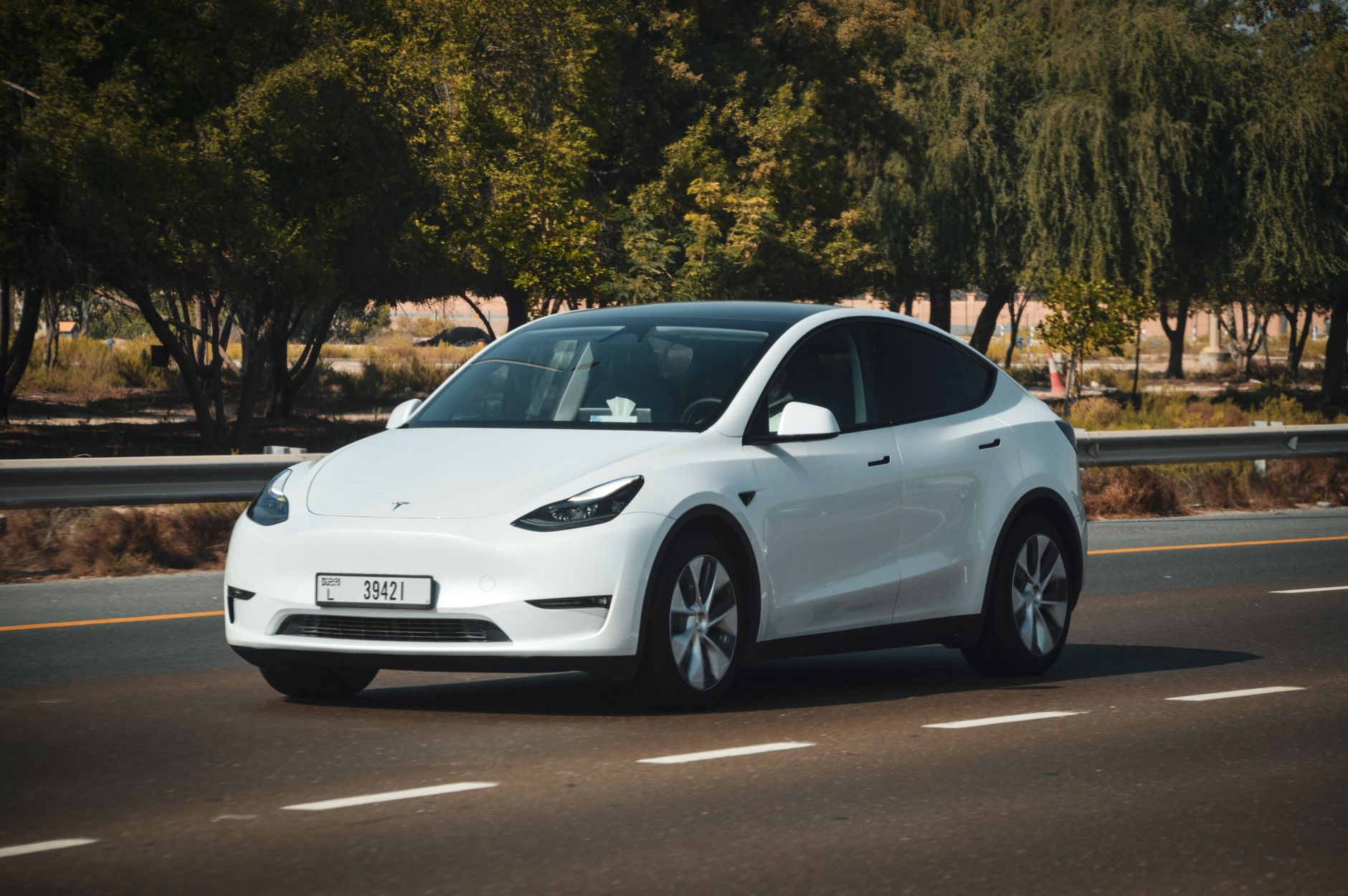
With summer 2026 charging season in full swing and InsideEVs recently reporting on the surge of EVs crossing the 200,000-mile threshold with minimal battery degradation, buyers are asking harder questions. It’s no longer just about range on day one—it’s about what happens in year seven, year ten, and beyond. If you’re cross-shopping two of the most popular EVs on the market right now, you’re probably wondering: Tesla Model Y vs Hyundai Ioniq 6 which lasts longer in the real world, not just on paper?
This comparison cuts through the warranty marketing and forum anecdotes to examine what actually determines longevity: battery chemistry, thermal management, software strategy, and the hidden costs that pile up after the honeymoon period ends.
Why “Longevity” Means Something Different in 2026
The conversation around EV durability has shifted dramatically. In 2022, most buyers worried about whether their battery would hit 70% capacity before the warranty expired. Today, the InsideEVs long-term test fleet includes multiple Model Ys and Hyundai EVs pushing past 150,000 miles with 90%+ capacity retention. The question isn’t if these cars last—it’s how they last differently.
Longevity now encompasses:
- Battery degradation curves (not just warranties)
- Structural and hardware durability (suspension, door seals, interior materials)
- Software support lifecycles (will your car get updates in 2033?)
- Parts availability and repair economics (a car that can last isn’t the same as one that’s affordable to keep running)
Tesla and Hyundai approach these challenges with fundamentally different philosophies, rooted in their corporate DNA.
Battery Chemistry and Thermal Management: The Science of Staying Power
Here’s where the Tesla Model Y vs Hyundai Ioniq 6 which lasts longer debate gets technical—and interesting.
Tesla Model Y uses cylindrical 2170 or 4680 cells (depending on build date and factory) with a nickel-cobalt-aluminum (NCA) or lithium-iron-phosphate (LFP) chemistry. The Long Range and Performance variants rely on NCA, which offers higher energy density but prefers a narrower temperature window. Tesla’s octovalve thermal management system is genuinely sophisticated, preconditioning batteries for charging and maintaining optimal temperatures during sustained driving. However, Tesla’s aggressive charging curve—pushing peak rates longer than most competitors—generates more thermal stress per session.
Hyundai Ioniq 6 uses prismatic NMC 811 cells from SK On, arranged in an 800-volt architecture. The 800V system isn’t just about faster charging; it reduces current draw, which means less resistive heating throughout the electrical system. Hyundai’s battery management system is more conservative, capping DC fast charging at 350kW but throttling earlier than Tesla in repeated sessions. For longevity, this conservatism may be a feature, not a bug.
Real-world data from fleet operators and Turo hosts running high-mileage 2023-2024 builds suggests:
- Model Y NCA packs: ~2-3% degradation per year under heavy DC fast charging, 1-1.5% with primarily home charging
- Ioniq 6 NMC packs: ~1.5-2% degradation per year under mixed use, with notably stable performance in hot climates
The LFP-powered Model Y RWD, often overlooked in longevity discussions, shows remarkable resilience—some 2022 builds report under 5% degradation at 100,000 miles. But the Ioniq 6 doesn’t offer LFP, so the comparison depends on which Model Y variant you’re considering.
The 150,000-Mile Reality Check: What Actually Breaks
Battery capacity gets the headlines, but longevity is won and lost in the details.
Tesla Model Y pain points at high mileage include:
- Suspension bushings and upper control arms: Early builds were notorious; 2024+ improvements help but long-term data is pending
- Door seal degradation: Frameless windows stress seals; water ingress into door cards is a documented pattern
- Touchscreen and compute hardware: The single screen controls everything; MCU failures strand functionality
- Heat pump complexity: The octovalve system is brilliant when working, expensive when it isn’t
Hyundai Ioniq 6 pain points include:
- Charge port door mechanisms: Spring-loaded design fails in cold climates or with ice buildup
- 12V battery management: Hyundai’s 12V systems have been problematic across multiple EV models; the Ioniq 6 improves this but early data is mixed
- Infotainment hardware: Less critical than Tesla’s screen, but still a potential failure point
- Prismatic cell swelling: Rare but documented; Hyundai’s warranty covers it, but replacement logistics are slower than Tesla’s
Tesla’s vertical integration means faster parts availability and more service center density—for now. Hyundai’s dealer network is broader geographically, but EV-trained technicians are scarcer, and proprietary battery pack replacement requires factory-authorized facilities.
Software Support: The Hidden Longevity Variable
Here’s an angle most comparisons miss entirely. Tesla Model Y vs Hyundai Ioniq 6 which lasts longer depends partly on which company keeps your car relevant.
Tesla has demonstrated unprecedented software support for older vehicles. A 2018 Model 3 still receives meaningful updates in 2026. However, Tesla also pushes changes that alter functionality—range estimates, charging curves, even acceleration profiles have been modified remotely. You’re buying into an ecosystem that evolves whether you want it to.
Hyundai’s Bluelink platform and over-the-air capability are improving, but the track record is thin. The Ioniq 5, launched in 2022, has received updates, but not with Tesla’s frequency or depth. The risk: Hyundai’s corporate priorities may shift, leaving older EVs with stagnant software. The opportunity: Hyundai’s more traditional approach means less surprise functionality changes.
For longevity-minded buyers, this is a philosophical choice. Tesla offers sustained engagement but demands acceptance of their ecosystem. Hyundai promises less intervention but potentially less long-term value preservation through software.
Total Cost of Extended Ownership: The Math at 10 Years and 200,000 Miles
Let’s talk numbers. Assuming 12,000 miles annually and mixed charging (70% home L2, 30% DC fast), current data projects:
| Cost Factor | Tesla Model Y Long Range | Hyundai Ioniq 6 SEL |
|---|---|---|
| Battery replacement (if needed) | $15,000-$20,000; possible by 2036 | $12,000-$16,000; NMC 811 supply growing |
| Scheduled maintenance | ~$1,800 over 10 years | ~$2,400 over 10 years |
| Suspension/structural | Higher probability of $2,000+ repair | Lower probability, but dealer labor rates vary |
| Insurance (annual, 2026 rates) | $1,800-$2,400 | $1,500-$2,000 |
| Software/feature access | FSD subscription optional; base features free | No subscription dependency |
The Ioniq 6’s 800V architecture may yield lower electrical system wear. The Model Y’s production scale drives down parts costs over time. Neither is clearly superior—it’s a bet on which failure mode you’re more comfortable managing.
Tesla Model Y vs Hyundai Ioniq 6 Which Lasts Longer: The Verdict
So, Tesla Model Y vs Hyundai Ioniq 6 which lasts longer? The honest answer: it depends on your definition of “lasts.”
Choose the Model Y if: You prioritize software longevity, can accept higher potential repair costs for the convenience of Tesla’s service network, and either buy the LFP RWD variant or plan to minimize DC fast charging on NCA builds. The Model Y’s structural simplicity (no transmission, no complex drivetrain) and proven high-mileage fleet data make it the safer bet for buyers who value predictable ecosystem support.
Choose the Ioniq 6 if: You want more conservative battery management, lower thermal stress from the 800V system, and prefer a traditional automaker’s warranty backing. The Ioniq 6’s aerodynamic efficiency reduces sustained load on the battery, and Hyundai’s 10-year/100,000-mile powertrain warranty (transferable in some states) provides tangible protection during the highest-risk ownership period.
For buyers keeping either vehicle 8+ years and 150,000+ miles, the Ioniq 6’s battery chemistry and thermal approach suggest marginally better raw durability. But Tesla’s service infrastructure, parts availability, and software continuity may make the Model Y easier to actually keep running that long.
The real winner? The buyer who matches their charging habits, climate, and risk tolerance to the right vehicle—then maintains it religiously. Longevity in EVs is increasingly less about brand and more about owner behavior. Choose wisely, charge mostly at home, and either of these EVs will likely outlast your willingness to keep driving it.