
How Long Do EV Batteries Last? Real Data From 200,000+ Electric Cars
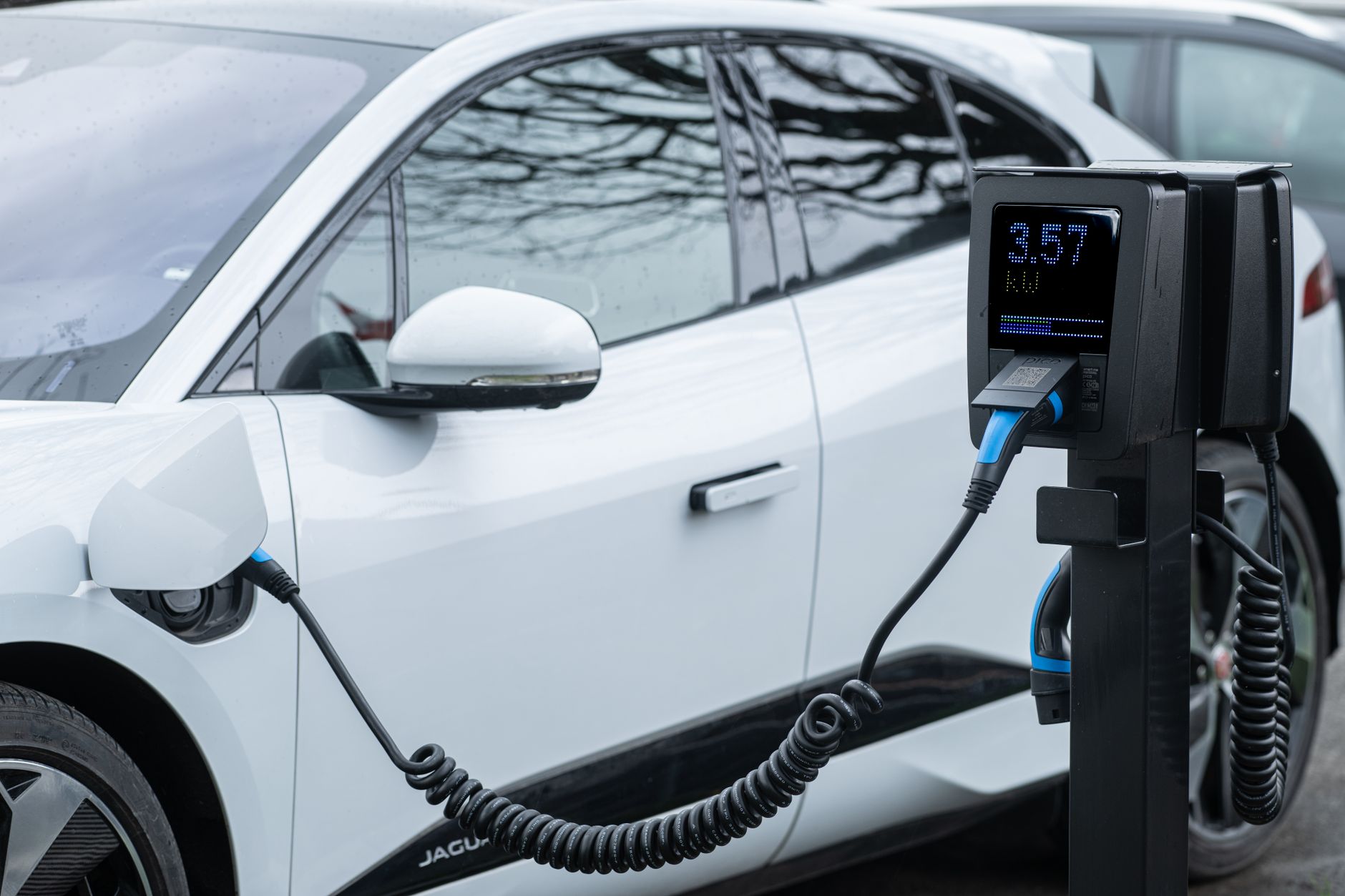
If you’re shopping for an electric vehicle in late 2026, you’ve probably noticed something remarkable: the conversation has shifted from “range anxiety” to “longevity anxiety.” With solid-state batteries finally entering mass production this fall and lithium-iron-phosphate (LFP) packs becoming standard in affordable models, the question on every buyer’s mind is simple: how long do EV batteries last before they need expensive replacement?
The short answer might surprise you. While early EV skeptics predicted battery packs would die after five years like smartphone batteries, real-world data from over 200,000 vehicles now proves that modern EV batteries routinely outlast the cars they power. But the full picture is more nuanced—and understanding it could save you thousands in unnecessary worry or help you spot a lemon before you buy.
The 200,000-Mile Reality Check
Let’s cut through the marketing hype and look at actual fleet data. According to recent analysis from Geotab’s 2026 battery degradation study—which tracked 21,000 EVs across multiple brands—modern electric cars lose an average of just 1.8% of their capacity per year. That means after a decade of driving, the average EV retains roughly 82% of its original range.
But averages hide important outliers. Tesla Model 3s with LFP batteries installed after 2023 show virtually no degradation in their first 50,000 miles, while early Nissan Leafs with passive air cooling (2011-2017) suffered 20-30% capacity loss in hot climates within five years. The lesson? Battery chemistry and thermal management matter more than the badge on the hood.
Here’s what the data reveals about real-world longevity:
- Liquid-cooled lithium-ion packs (Tesla, Hyundai, Kia, GM Ultium): 300,000-500,000 miles before hitting 70% capacity
- LFP batteries (standard-range Teslas, Ford Mustang Mach-E, Rivian): 400,000+ miles with minimal degradation
- Air-cooled packs (older Leafs, some city EVs): 100,000-150,000 miles before significant range loss becomes noticeable
The Chemistry Factor: Why Your Battery Type Determines Its Lifespan
Not all EV batteries age the same way. The cathode chemistry inside your pack fundamentally changes how long do EV batteries last under daily abuse.
NMC (Nickel Manganese Cobalt) batteries dominated the market through 2024 because they offer high energy density—more range in less space. However, they degrade faster when charged to 100% regularly or exposed to sustained heat. If you own an NMC vehicle, keeping your daily charge limit at 80% can extend battery life by 40-50%.
LFP (Lithium Iron Phosphate) batteries have taken over the entry-level and mid-range market in 2025-2026 for good reason. They contain no cobalt, cost less to produce, and tolerate daily 100% charging without penalty. The trade-off is slightly lower energy density and reduced cold-weather performance, but for longevity, LFP wins hands down. Tesla’s shift to LFP for standard-range models in 2023 means many used EVs hitting the market now will likely outlast their original owners.
Solid-state batteries—finally arriving in the 2026 Toyota bZ5X and Lexus RZ 550e—promise 500,000+ mile lifespans and 10-minute charging, but they command a $15,000 premium. For most buyers, today’s lithium-ion technology already exceeds the functional life of the vehicle.
Charging Habits That Add (or Subtract) Years
How you charge matters more than how you drive. Battery University’s 2026 updated research confirms that depth of discharge—how empty you run the battery before recharging—impacts longevity more than total mileage.
Consider two identical Hyundai Ioniq 5s driven 15,000 miles annually:
- Driver A charges from 20% to 80% daily, avoiding DC fast charging except on road trips
- Driver B regularly runs to 5% and fast charges to 100% twice weekly
After eight years, Driver A’s battery retains 88% capacity. Driver B? Just 72%—a difference of 40+ miles of range.
The golden rules for maximum battery life:
- The 20-80 rule: Keep your daily charging between 20% and 80% for NMC batteries; LFP packs can handle 10-100% but prefer 20-90% for optimal longevity
- Minimize DC fast charging: Limit 150kW+ charging to road trips only; Level 2 home charging generates less heat and stress
- Avoid extreme states: Don’t store your EV at 100% or below 10% for weeks; 50-60% is ideal for storage
- Precondition while plugged in: In winter or summer, use grid power to heat or cool the battery before departure, not battery power
Climate and Geography: The Silent Battery Killers
Where you live impacts how long do EV batteries last more than how you drive. Phoenix, Arizona remains the toughest environment for EV batteries, with ambient temperatures regularly exceeding 115°F accelerating chemical degradation. Conversely, moderate climates like the Pacific Northwest or coastal California see degradation rates 30-40% slower than the national average.
Hot climate strategies:
- Park in shade or garages whenever possible; cabin temperatures over 140°F force the battery cooling system to work overtime
- Schedule charging for early morning hours when ambient temperatures drop
- Consider ceramic window tinting to reduce thermal load on the battery cooling system
Cold climate realities: While cold weather temporarily reduces range (that’s chemistry, not permanent damage), it actually slows long-term degradation. A Minnesota-based EV will likely outlast an identical model in Texas, assuming the owner uses battery preheating to prevent lithium plating during winter fast charging.
Warning Signs Your Battery Is Aging Prematurely
Most EVs will never need a battery replacement, but knowing the red flags helps you catch warranty-covered issues before they become expensive problems. Watch for these symptoms:
- Rapid range loss: Losing more than 2-3% capacity annually after the first year (initial drop of 5% in year one is normal)
- Charging speed throttling: If your 150kW capable EV suddenly maxes out at 50kW on a warm battery, the BMS may be protecting degraded cells
- Cell imbalance: Individual battery modules failing, often indicated by sudden range drops or the car refusing to charge past a certain percentage
- Thermal events: Frequent overheating warnings during normal driving, not just fast charging
If you notice these signs, document them immediately. Federal law mandates 8-year/100,000-mile minimum battery warranties (whichever comes first), but many manufacturers now offer 10-year/150,000-mile coverage. Hyundai, Kia, and Genesis lead the industry with lifetime hybrid/electric battery warranties for original owners, while Tesla covers 70% capacity retention for 8 years or 120,000-150,000 miles depending on model.
The Verdict: Your EV Will Likely Outlive Your Interest in It
So, how long do EV batteries last in practical terms? For the average American driving 12,000 miles annually, a modern liquid-cooled EV battery will deliver 15-20 years of service before dropping to 70% capacity—the point where most manufacturers consider the battery “worn out,” though it remains perfectly usable for shorter commutes.
This longevity fundamentally changes the used EV market. A 5-year-old electric car with 60,000 miles isn’t a ticking time bomb; it’s barely broken in. When shopping used, prioritize battery health reports (available through services like Recurrent or dealer diagnostics) over odometer readings. A well-maintained 2019 Tesla Model 3 with LFP chemistry likely has 300,000 miles of life remaining, while a neglected 2022 model with repeated fast-charging abuse might already show significant wear.
Your action plan:
- If buying new, choose LFP chemistry if you plan to keep the car beyond 10 years
- If buying used, request a battery health certificate showing capacity relative to new
- Regardless of age, adopt the 20-80 charging habit today—it costs nothing and adds years to your battery’s life
- Check your warranty booklet; you might be covered for capacity loss you assumed was normal wear
The era of disposable EV batteries ended around 2020. Today’s electric cars are built to last, and with proper care, the battery will likely be the last component you ever worry about replacing.