
Ford Fathom Battery Safety Explained: What the Bendable Pack Means for Your Family
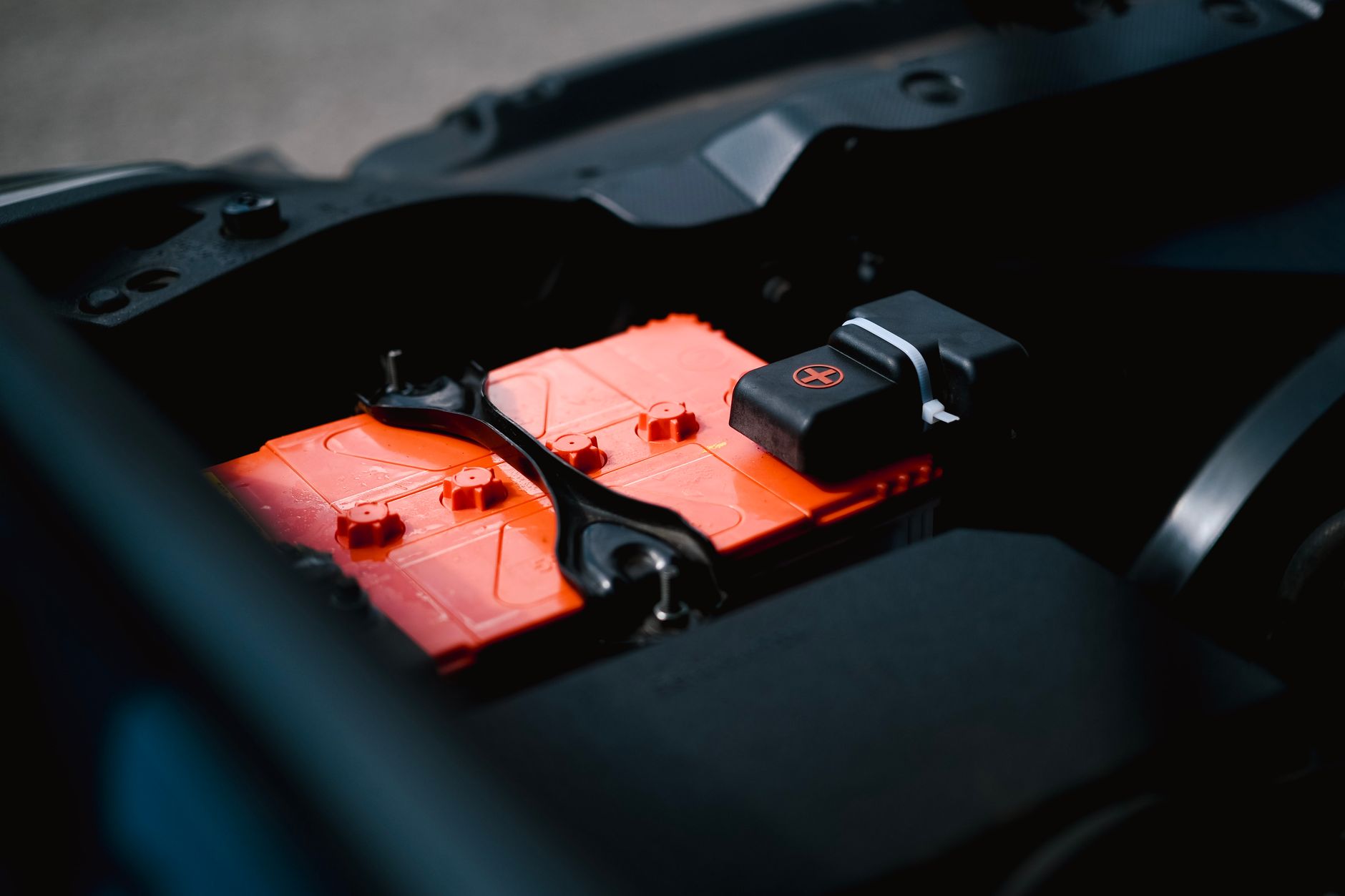
When CNET broke the story that Ford designed its Fathom EV battery pack to bend in a crash, the EV community lit up with questions. Is a flexible battery actually safer, or is it just clever marketing? If you’ve been searching for Ford Fathom battery safety explained in plain English, you’re in the right place — and the timing couldn’t be better.
With EV sales climbing through late 2026 and more families switching from gas SUVs to electric crossovers, battery safety has become the number-one concern I hear from readers. Not range anxiety. Not charging speed. Safety. Ford’s Fathom project represents one of the boldest engineering answers to that concern, and understanding it will make you a smarter shopper regardless of which EV ends up in your driveway.
Let’s break down exactly how the Fathom pack works, why bending beats breaking, and how to use this knowledge when evaluating any electric vehicle.
What Is the Ford Fathom Battery Pack, Exactly?
Ford’s Fathom program isn’t a single vehicle — it’s an advanced battery architecture developed by Ford’s dedicated skunkworks team in California. The goal was ambitious: build a structural battery pack that could survive severe crashes without the catastrophic failures that make headlines.
Traditional EV battery packs are rigid boxes bolted to the vehicle floor. They’re protected by steel frames and crumple zones, but in a severe side impact or offset collision, that rigidity becomes a liability. The pack can crack, cells can puncture, and thermal runaway — the chain reaction that causes EV battery fires — becomes a real risk.
The Fathom pack flips this logic. Instead of resisting deformation, it’s engineered to deform in a controlled way. Think of it like the difference between a glass plate and a phone book. Drop both, and the glass shatters while the phone book flexes and absorbs the energy. Ford’s engineers applied this principle at the pack level, using segmented cell modules connected by flexible busbars and a housing designed with intentional crush paths.
The result? In Ford’s internal testing, the pack can absorb up to 40% more impact energy before any cell breaches occur, compared to conventional rigid designs.
Ford Fathom Battery Safety Explained: The Physics of Bending
Here’s where it gets genuinely interesting. When a vehicle crashes, kinetic energy has to go somewhere. In a conventional EV, the battery pack’s rigid structure transfers much of that energy directly to the cells inside. Even if the outer case looks intact, internal cell damage can create delayed thermal events — fires that start hours or even days after the crash.
The Fathom design addresses this through three specific mechanisms:
1. Sacrificial deformation zones. The pack’s outer frame includes engineered weak points that collapse in a predetermined pattern, absorbing energy before it reaches the cell modules. This is similar to how crumple zones work in a car’s body, but applied inside the battery itself.
2. Flexible electrical connections. Traditional busbars — the copper conductors linking cell groups — snap under stress, creating short circuits. Fathom uses braided, accordion-style connectors that maintain electrical isolation even when the pack deforms by up to 15 centimeters in testing scenarios.
3. Cell-level isolation. Each module group sits in its own fire-resistant compartment with aerogel insulation barriers. If one section is compromised, the damage stays contained. Ford claims this reduces the probability of pack-wide thermal runaway by roughly 60% compared to their previous-generation packs.
This isn’t theoretical. The IIHS has been pushing for exactly this kind of innovation since expanding its EV battery safety protocols in 2025, and Ford appears to be ahead of the curve.
How This Compares to What Tesla, GM, and Hyundai Are Doing
Ford isn’t the only automaker rethinking battery safety, but their approach is distinct. Tesla’s structural battery pack in the Model Y and Cybertruck uses the pack as a load-bearing member, which improves rigidity but raises questions about repairability after even moderate impacts. GM’s Ultium platform relies on a heavy steel cage around pouch cells — effective, but it adds significant weight.
Hyundai’s E-GMP platform takes yet another route, with a multi-load path structure that routes crash forces around the battery entirely. It’s clever engineering, but in severe T-bone scenarios, there’s only so much force you can redirect.
The Fathom approach is arguably the most pragmatic: accept that some deformation will happen in a bad crash, and engineer the pack to handle it gracefully. It’s a philosophy borrowed from motorsport, where fuel cells have been designed to flex and contain rather than rupture for decades.
For you as a buyer, the practical takeaway is this: ask about post-crash battery behavior, not just crash test star ratings. A five-star NHTSA rating tells you the car protected its occupants. It doesn’t tell you whether the battery will smolder in your garage 48 hours later.
5 Questions to Ask About Any EV’s Battery Safety Before You Buy
Whether you’re considering a future Ford Fathom-based vehicle or shopping the current crop of 2026-2027 EVs, use this checklist at the dealership:
- Where is the battery pack located, and what protects it from side impacts? Look for answers that mention specific structural elements, not just “it’s very safe.”
- What happens to the high-voltage system in a crash? The best systems automatically disconnect the battery within milliseconds of airbag deployment.
- Are there cell-level fire barriers? Aerogel, mica, or ceramic barriers between modules are the current gold standard.
- What’s the post-crash inspection protocol? Some manufacturers require a full battery diagnostic after any collision. If the dealer doesn’t know, that’s a red flag.
- How does the battery warranty handle crash damage? Most warranties exclude crash damage entirely, which means your insurance needs to cover it. Confirm your insurer’s EV battery policy before signing.
These questions matter more than ever because battery replacement costs remain steep — anywhere from $8,000 to $25,000 depending on the pack size and chemistry. A safer pack design doesn’t just protect your family; it protects your wallet.
What Ford Fathom Means for the Future of EV Safety
The broader significance of Fathom extends beyond Ford. When a major automaker publicly demonstrates that a battery pack can bend without breaking, it resets consumer expectations for the entire industry.
We’re already seeing ripple effects. The NHTSA’s proposed 2027 battery safety standards include new deformation tolerance requirements that align closely with what Ford has demonstrated. Chinese manufacturers like BYD with their Blade Battery and CATL with their Qilin packs are pursuing similar controlled-deformation strategies, though with different chemistries and structural approaches.
For the used EV market — which is booming as 2023-2024 lease returns flood dealer lots — this creates a new evaluation dimension. A 2024 EV with a first-generation rigid pack may be perfectly safe for daily driving, but it won’t offer the same crash resilience as next-generation designs. That’s worth factoring into your decision, especially if you’re buying a family vehicle.
The Bottom Line on Ford Fathom Battery Safety
Ford Fathom battery safety explained comes down to a simple but powerful idea: the best way to protect a battery in a crash isn’t to make it unbreakable — it’s to make it break gracefully, on your terms. By engineering controlled deformation into the pack, Ford is addressing the real-world scenario that matters most: what happens in the seconds and hours after a serious collision.
If you’re shopping for an EV in late 2026 or planning to wait for Fathom-based vehicles expected in Ford’s 2027-2028 lineup, keep this framework in mind. Ask the five questions above. Look beyond star ratings to post-crash behavior. And remember that battery safety technology is evolving faster than any other aspect of EV design right now.
The safest EV isn’t necessarily the one with the biggest battery or the longest range. It’s the one whose engineers thought hardest about the worst day you’ll ever have with it — and designed for that day specifically.