
EV Charging at Apartments Solutions: The Renter's Playbook for 2026
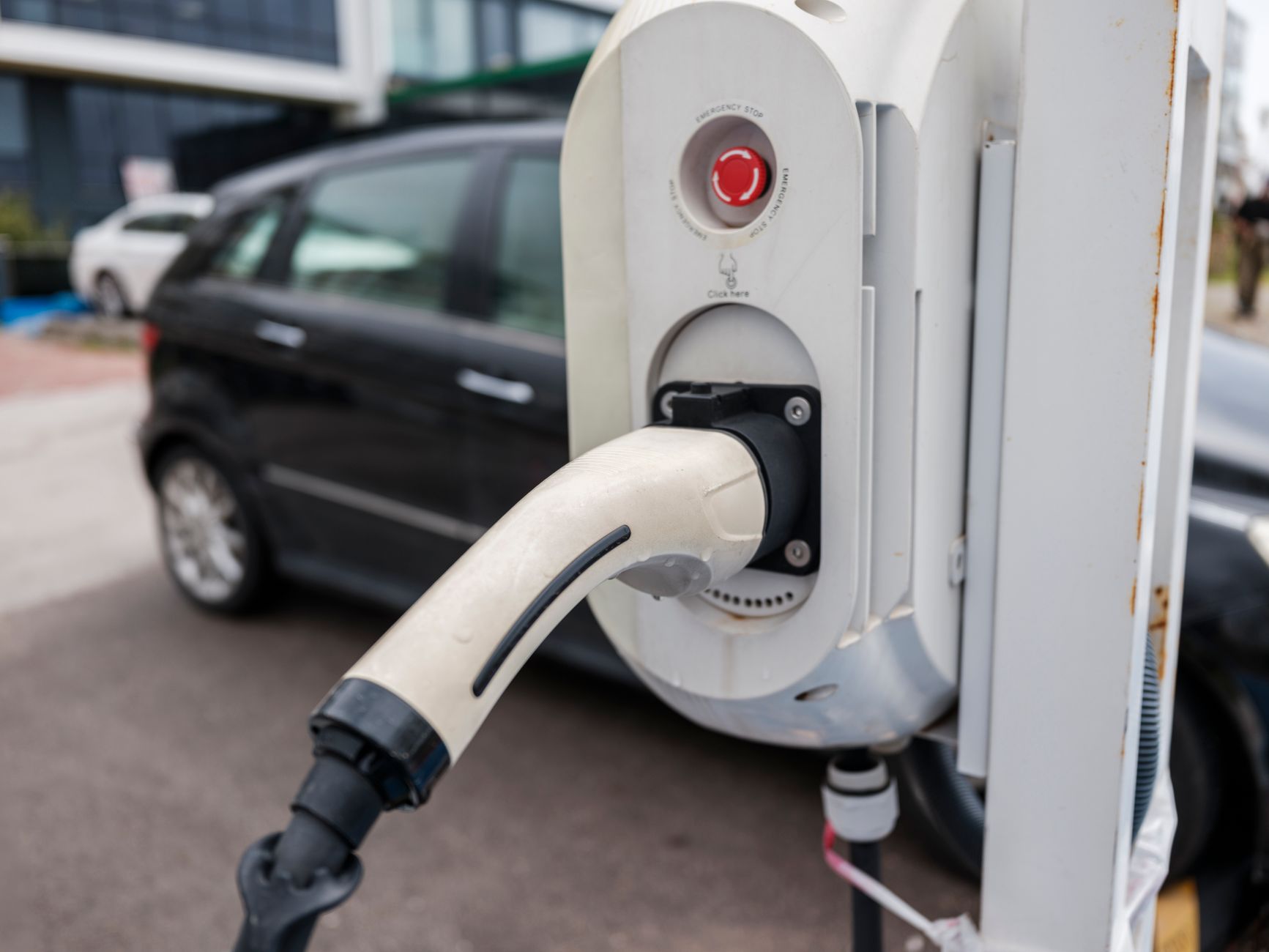
The 2026 electric car market is exploding with options that finally make sense for city dwellers—compact EVs with 300+ miles of range, bidirectional charging becoming standard on mid-priced models, and charging networks hitting density levels that make “range anxiety” feel almost retro. But here’s the friction point the headlines skip: roughly 36% of Americans rent their homes, and most of those renters don’t have a dedicated garage with a shiny Level 2 charger waiting for them.
If you’re apartment hunting in 2026 and eyeing that new Kia EV3 or used Tesla Model 3, “where will I charge?” is probably your loudest question. The good news? EV charging at apartments solutions have evolved far beyond the old “just use public chargers” shrug. This guide cuts through the complexity with tactics that actually work for renters—no permanent installation, no property ownership, no six-figure income required.
Why Apartment Charging Still Sucks (And What’s Finally Changing)
Let’s be honest: the apartment industry has been glacially slow on EV infrastructure. In 2023, only about 4% of multifamily buildings offered any EV charging. That number’s climbing in 2026, but unevenly. Premium buildings in Austin, Seattle, and Denver might have 20 chargers for 400 units. Older stock in Midwest cities? You’re often still fighting for the one 120V outlet near the visitor parking.
What’s shifting now is regulatory pressure meeting tenant demand. California’s 2025 mandate requiring EV-ready parking in new construction is spreading—New York, Massachusetts, and Illinois have similar bills advancing. More immediately useful: utility rebates for multifamily charging have expanded dramatically. Xcel Energy, Duke Energy, and PG&E now offer property owners up to 75% installation cost coverage, which is finally making landlords listen.
Your leverage as a renter has never been higher. EV-driving tenants stay 23% longer on average (per 2025 NMHC data), and landlords are waking up to that retention math.
EV Charging at Apartments Solutions: The 4 Realistic Paths
1. Negotiate the Installation (Yes, Even as a Renter)
This isn’t as absurd as it sounds. If you’re signing a new lease or renewing, EV charging can be a negotiating point right alongside rent price or pet fees.
What actually works:
- Propose a cost-sharing arrangement. You fund the NEMA 14-50 outlet installation ($800-$1,500); landlord covers electrical panel upgrades if needed. Get it in writing that you take the hardware if you move.
- Gather demand evidence. Knock on doors. If 5+ other tenants want EV charging, present that petition to management. Properties respond to aggregated demand.
- Reference utility programs. Hand your landlord a one-pager on their local utility’s multifamily rebate. You’re not asking for a favor—you’re bringing them a financial opportunity.
Script that works: “I’m considering renewing for 18 months, but I need reliable EV charging. [Utility name] covers 75% of installation costs for multifamily properties. Would you be open to a pilot program if I handle the tenant coordination?“
2. Portable and Mobile Level 2 Chargers
The 2026 market for portable EV charging solutions has matured beautifully. These aren’t the sketchy 120V trickle chargers of 2020.
Top options for apartment dwellers:
| Product | Max Output | Key Feature | Price Range |
|---|---|---|---|
| Grizzl-E Mini | 24A (5.8kW) | NEMA 14-50 plug, weatherproof, 25ft cable | $350-$450 |
| Mustang Mach-E Mobile Charger | 32A (7.7kW) | Dual-voltage, storage case included | $400-$500 |
| Emporia EV Charger | 48A (11.5kW) | Smart scheduling, energy monitoring | $450-$600 |
The strategy: Find any 240V outlet—dryer outlets in shared laundry rooms, welding outlets in maintenance areas, even RV hookups at properties near highways. Use a heavy-duty 25-50ft extension rated for EV charging (not a hardware store special). Charge during off-peak hours, always unplug promptly.
Critical safety note: Never use standard 120V extension cords for continuous 12A+ loads. Fire risk is real, and it’ll show in your renter’s insurance claims.
3. Workplace and Destination Charging Hacking
If home charging remains impossible, optimize your away-from-home ecosystem. This isn’t ideal, but for urban renters with predictable schedules, it’s viable.
The 2026 landscape:
- Workplace charging participation hit 38% of large employers this year, up from 27% in 2023. If your employer offers it, negotiate priority access as part of your compensation package.
- Grocery and gym charging is now genuinely fast. Electrify America’s 350kW stations at Whole Foods locations, EVgo’s partnerships with Kroger—these aren’t “while you shop” anymore; they’re “while you do your entire week’s errands.”
- Subscription charging plans have matured. ChargePoint’s $12.99/month “Pass+” drops per-kWh rates 25%. For apartment dwellers without home charging, this math often beats gasoline equivalents.
The weekly rhythm that works: Top off at work Monday-Wednesday, hit a 20-minute 150kW session during Saturday grocery runs, use a Sunday evening Level 2 session at a nearby hotel or public garage while you meal prep nearby.
4. Community and Shared Charging Networks
Some of the most innovative EV charging at apartments solutions in 2026 are peer-to-peer charging platforms.
Apps making this real:
- PlugShare’s “Home” network lets verified hosts rent their private chargers hourly. In dense metro areas, 12% of listed chargers are now at apartments/condos with willing hosts.
- ChargeLab’s community hubs install 4-8 chargers in residential neighborhoods, funded by local EV owner subscriptions. $49/month gets you 200kWh of priority access.
The social approach: If your building has even 3-4 EV owners, propose a rotating shared charger on a community board. One Level 2 unit, scheduled via Google Calendar, split installation costs four ways. It’s low-tech, but it works—and builds the case for management to install permanent infrastructure.
What to Ask Before Signing Your Next Lease
If you’re moving in 2026, EV charging readiness should be on your checklist alongside in-unit laundry and parking availability. Here’s the specific language to use:
Questions that filter real options from greenwashing:
- “Is the building EV-ready, or are there installed chargers?” (“EV-ready” means conduit only—useless without $3,000+ more investment.)
- “What’s the electrical service capacity to the parking area?” (100A+ means future expansion is possible; 60A means you’re stuck with 2-4 chargers forever.)
- “Are chargers assigned or shared, and what’s the monthly cost?” (Some properties now charge $75-$150/month for dedicated charging—factor this into your total cost of ownership.)
- “Can I install my own outlet with electrician approval?” (Some progressive landlords allow tenant-funded NEMA 14-50 installs with proper permitting.)
Red flag phrase: “Tenants can use public charging nearby.” Translation: we haven’t thought about this, and we won’t.
The Bottom Line: You Don’t Need a House to Go Electric
The narrative that EVs are “only for homeowners with garages” is aging poorly in 2026. Between negotiable installations, portable Level 2 hardware, workplace integration, and emerging community networks, renters have more EV charging at apartments solutions than ever before.
The key shift is proactive planning. Don’t buy the EV then scramble for charging—audit your options first, negotiate from position, and build your charging ecosystem into your weekly routine before you sign purchase paperwork.
As the 2026 electric car market keeps expanding into affordable, long-range territory, the infrastructure is finally catching up to include renters. Your apartment doesn’t need to be a charging fortress. It just needs one viable path that you can rely on, week in and week out. Find that path, document your plan, and join the transition without waiting for a mortgage.