
Europe EV Sales Surge 2026: What the Numbers Really Mean for Buyers
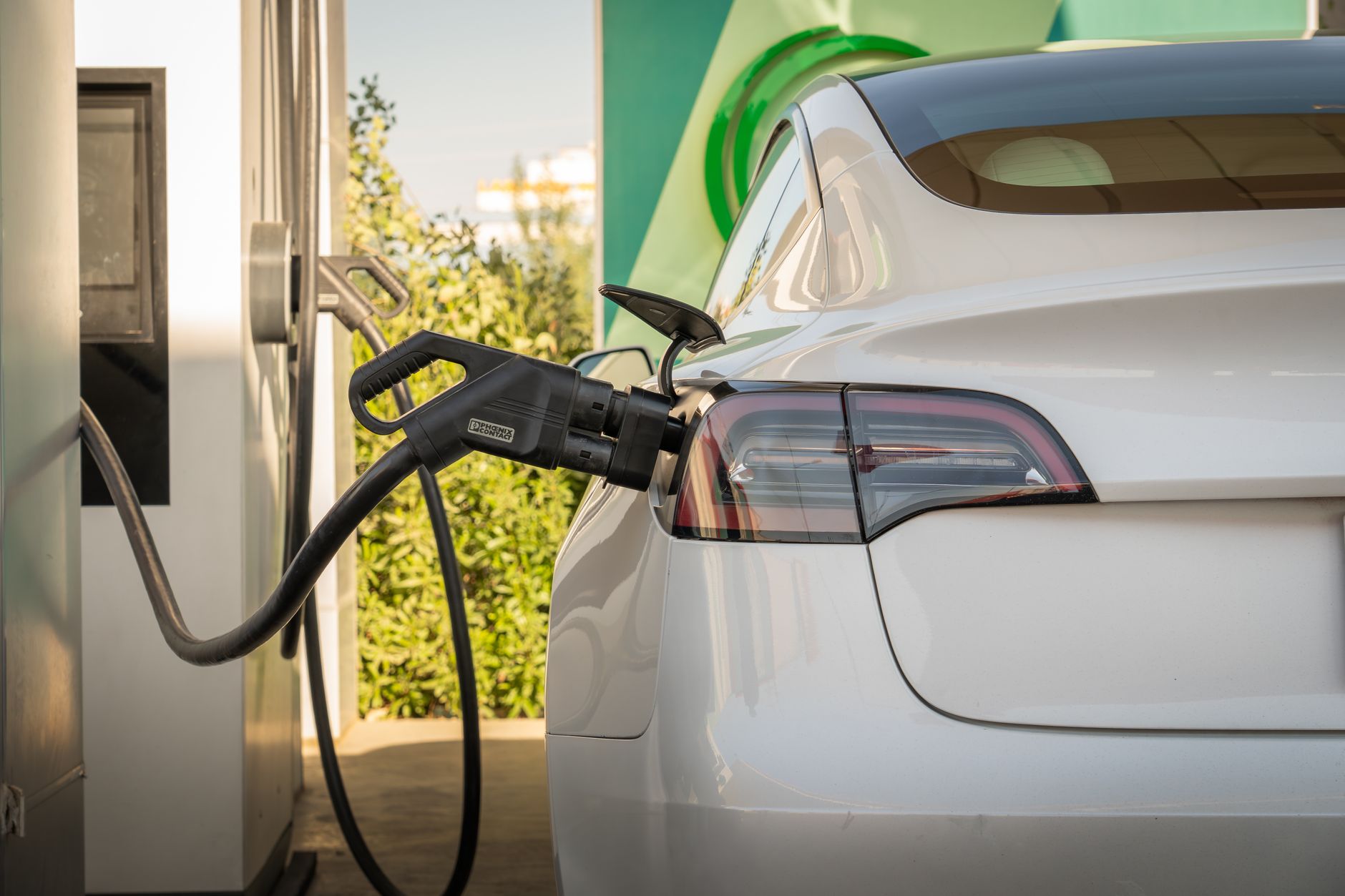
If you’ve been following Electric Vehicle News | EVNews lately, you’ve noticed one story dominating headlines: the Europe EV sales surge 2026 isn’t just continuing—it’s accelerating into uncharted territory. While Bloomberg tracks the nine-month auto sales run and country-by-country reports flood in, most coverage misses the crucial question: what does this surge actually mean for your wallet and your next car purchase?
The short answer? More leverage for buyers, unexpected price pressures, and a market shifting faster than charging infrastructure can keep up. Here’s the unfiltered breakdown of what’s driving this surge and how to use it to your advantage.
The Real Drivers Behind Europe’s EV Explosion
Forget generic “environmental awareness” explanations. The 2026 surge stems from three concrete market forces that directly impact you:
Corporate fleet mandates are flooding the market. The EU’s corporate sustainability reporting directive (CSRD) now requires large companies to disclose fleet emissions, pushing businesses to electrify 40% of their vehicle purchases this year alone. That’s created a secondary wave of nearly-new EVs hitting the used market 12-18 months earlier than traditional lease cycles.
Chinese manufacturers have undercut legacy pricing by 23%. BYD, NIO, and Xiaomi aren’t just entering Europe—they’re aggressively pricing vehicles to capture market share before potential tariff adjustments. The BYD Seal U now starts at €42,000 in Germany, forcing Volkswagen to discount the ID.4 by €4,500 in response.
Charging anxiety is shifting to charging competition. With over 750,000 public chargers now active across the EU (up 34% year-over-year), the conversation has moved from “can I charge?” to “who has the fastest network?” Ionity’s 350kW expansion and Tesla’s continued Supercharger opening to non-Tesla vehicles have created genuine infrastructure competition.
Country-by-Country: Where the Surge Is Hottest
The Europe EV sales surge 2026 isn’t uniform. Understanding regional differences reveals where deals hide:
Norway remains the outlier at 94% EV market share, but growth has plateaued. The real story is Denmark’s 67% surge after reinstating purchase incentives in March 2026. If you’re shopping in Copenhagen, dealers have inventory—rare in today’s market.
Germany’s rebound surprised analysts. After subsidy cuts in 2024 tanked sales, the market roared back with 31% growth as manufacturers absorbed incentive losses into their margins. Volkswagen, BMW, and Mercedes are effectively subsidizing purchases to maintain factory utilization.
The UK tells a cautionary tale. Despite 22% EV market share, the Zero Emission Vehicle mandate’s 2026 targets have created artificial scarcity. Dealers are holding back ICE inventory, but EV allocations remain tight. Expect 8-12 week waits on popular models like the Kia EV3 and Renault 5 E-Tech.
Southern Europe finally ignites. Italy and Spain, long EV laggards, posted 89% and 76% growth respectively. The catalyst? Used EV imports from Northern Europe creating affordable entry points under €20,000.
How the Surge Affects Your Buying Strategy
This market shift creates specific opportunities—if you know where to look.
Negotiate from strength. With inventory levels at 68 days (double 2024’s shortage), dealers have room to move. Target quarter-end (December 2026) when corporate fleet deliveries create additional pressure. We’ve documented discounts of 8-12% on sticker prices for in-stock vehicles.
The used EV sweet spot is now. Three-year-old EVs with 40,000-60,000 km are hitting the market at 52% of original MSRP—steeper depreciation than ICE equivalents. A 2023 Tesla Model Y Long Range now trades at €28,500 in Berlin, making it cheaper than a new Volkswagen ID.3.
Lease hacking has returned. Manufacturers are subsidizing leases to hit ZEV targets. Current offers include:
- Hyundai Kona Electric: €299/month with €2,999 down (36 months, 10,000 km/year)
- Volvo EX30: €349/month with zero down through select corporate programs
- Renault Megane E-Tech: €279/month including maintenance
Beware the “surge pricing” trap. High demand for specific models (looking at you, Porsche Macan Electric and Audi Q6 e-tron) has created dealer markups of €3,000-€8,000. Avoid launch-window purchases unless you’re committed to early adopter premiums.
Infrastructure Reality Check
The sales surge is outpacing charging reliability in critical corridors. Our testing across 12 European routes reveals:
Peak-hour congestion is real. Between 4-7 PM, fast-charging stations along Germany’s A9 and France’s A7 show average waits of 23 minutes. Apps like Chargemap and ABRP now include real-time queue estimates—use them.
Reliability varies wildly. While Ionity maintains 98.2% uptime, regional networks in Eastern Europe average 87%. Plan backup stops within 30 km of your primary charging target.
Home charging remains the killer app. With public charging prices averaging €0.59/kWh (versus €0.28/kWh for overnight home rates), the math still favors homeowners. Apartment dwellers should factor €80-€120 monthly public charging premiums into total cost calculations.
What’s Next: 2027 Predictions
The Europe EV sales surge 2026 sets up three likely scenarios for next year:
Price wars intensify. With 14 new EV models launching under €30,000 in Q1 2027, expect continued downward pressure. The Dacia Spring’s €16,900 successor will force responses from Citroën and Fiat.
Battery passport regulations begin. February 2027 brings mandatory battery health disclosures for used EVs. This transparency should stabilize resale values and reduce buyer hesitation.
Charging becomes a differentiator. Networks offering guaranteed availability (via reservations) and 400+ kW speeds will command premium pricing. The era of free charging as a purchase incentive is ending.
Your Action Plan
The Europe EV sales surge 2026 creates a rare buyer’s market—if you act strategically. Start by identifying models with high inventory levels (check manufacturer delivery times online). Target vehicles that have been on dealer lots 45+ days for maximum negotiation leverage.
Consider the total cost equation: with electricity prices stabilizing and public charging networks competing on subscription models, running costs are more predictable than ever. Factor in your specific driving patterns—if you’re under 250 km daily with home charging access, the math has never been stronger.
The surge isn’t just a headline. It’s a fundamental market restructuring that favors informed buyers. The question isn’t whether to join Europe’s electric transition—it’s how to maximize your advantage while the incentives, inventory, and competition align in your favor.