
Electric Car for Tall Drivers: Legroom Comparison and Real-World Fit Test (2026)
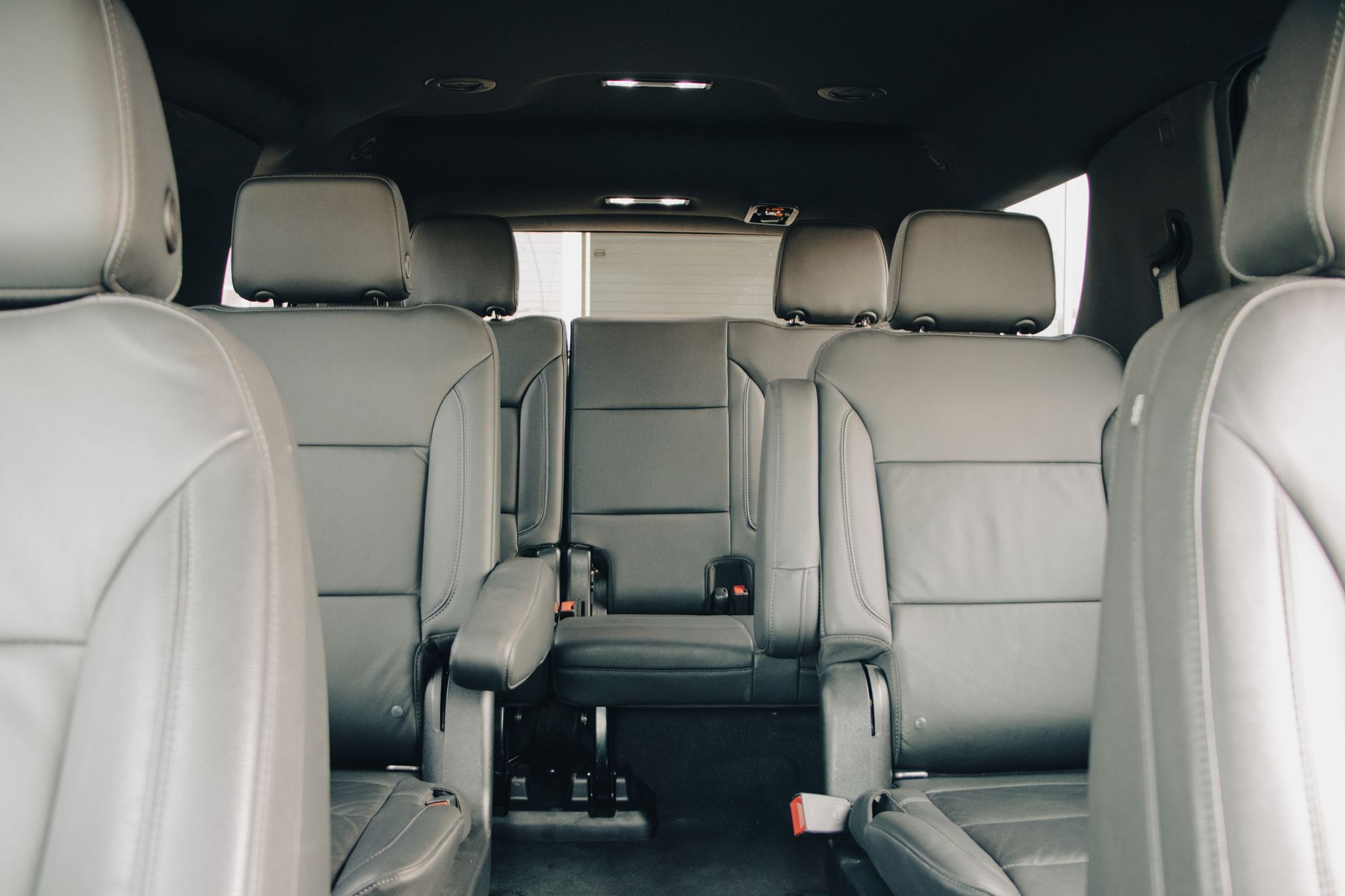
If you’ve spent any time in EV forums this fall, you’ve noticed a pattern: as the 2026 model year vehicles hit dealer lots, tall drivers are posting photos of their knees pressed against dashboards and their hair brushing headliners. The EV industry’s push toward sleeker, more aerodynamic designs has quietly made cabin fit worse for anyone over six feet tall. That’s exactly why this electric car for tall drivers legroom comparison exists — because the spec sheet rarely tells the full story, and a 30-minute test drive isn’t enough to know if you’ll still be comfortable at mile 200.
I’m 6’3”, and I’ve spent the last three months sitting in, adjusting, and road-testing nearly every mainstream 2026 EV available in the US. Some of the results genuinely surprised me.
Why Spec-Sheet Legroom Numbers Lie to Tall Drivers
Here’s the uncomfortable truth: the “maximum front legroom” figure manufacturers advertise is measured with the seat at its rearmost and lowest position, often with the seatback reclined beyond what any human would actually use. The SAE J1100 standard allows this, and every automaker exploits it.
What actually matters for tall drivers is a combination of four things:
- Usable legroom — the distance from the pedals to your knee with the seat in a position you’d actually drive in
- Seat travel range — how far back the seat physically slides (this varies wildly)
- Steering wheel telescoping range — a wheel that doesn’t come to you forces a cramped, legs-bent posture
- Headroom with the seat raised — many EVs lose 1.5 to 2 inches of headroom when you lift the seat for better visibility
The Tesla Model 3 Highland, for example, advertises 42.7 inches of front legroom. But the seat rail travel is shorter than the outgoing model, and the fixed glass roof means the headliner sits lower. At 6’3”, I fit — barely — with the seat all the way back and the wheel pulled fully toward me. A 6’5” driver would struggle.
The 2026 EVs That Actually Fit Tall Drivers
After testing across segments, a few clear winners emerged. These are vehicles where I could sit comfortably for three-plus hours without my left knee pressing into the door panel or my right knee resting against the center console.
Hyundai Ioniq 5 (2026 refresh): This remains the gold standard for tall-driver fit in a mainstream EV. The flat floor, generous seat travel, and upright seating position give it a minivan-like sense of space. The 2026 model adds a slightly revised seat bottom that’s a half-inch deeper, which improves thigh support. Headroom is excellent even with the seat raised. If you’re 6’4” or taller, start here.
Kia EV9: The three-row SUV segment is where tall drivers often find the best fit, and the EV9 delivers. The front seats slide far back, the steering wheel telescopes generously, and the boxy roofline means headroom is never a concern. The trade-off is size — this is a big vehicle, and parking it in tight urban spaces takes adjustment.
Ford Mustang Mach-E (2026 update): Ford quietly extended the seat track for 2026, and it makes a real difference. I could get the seat back far enough that my legs were nearly straight, and the panoramic roof doesn’t eat into headroom the way Tesla’s glass roof does. The driving position is slightly more car-like than the Ioniq 5, which some drivers prefer.
Rivian R1S: If budget allows, the R1S offers the most adjustable driving position of any EV I’ve tested. The seat moves in every direction imaginable, the steering wheel has massive telescoping range, and the cabin is genuinely spacious. At 6’3”, I had room to spare. Someone 6’6” would likely still be comfortable.
The 2026 EVs That Disappoint Tall Drivers
Not every popular EV makes the cut. Some of the most hyped 2026 models are genuinely problematic for taller drivers, and it’s better to know before you sign a lease.
Tesla Model Y Juniper: Despite being a bestseller, the refreshed Model Y is tight for drivers over 6’2”. The seat doesn’t go low enough, the steering wheel telescoping range is limited, and the sloping roofline means rear headroom is compromised if you’re tall and sitting behind the driver. The front cabin is workable, but just barely.
Chevrolet Equinox EV: The Equinox EV is a strong value proposition, but the driver’s seat bottom is short and the seat track doesn’t extend far enough back. My knees were bent at an uncomfortable angle even with the seat fully rearward. For a daily commuter under 30 minutes, it’s tolerable. For anything longer, it’s a problem.
Volkswagen ID.4 (2026): VW improved the ID.4’s software for 2026, but the cabin geometry didn’t change. The seat sits high, the roofline is low, and the steering wheel doesn’t telescope far enough. I felt like I was sitting on the car rather than in it.
How to Test-Fit an EV When You’re Tall
You can’t rely on a quick loop around the block. Here’s the process I recommend for any tall driver shopping for an EV in 2026:
Adjust everything before you start driving. Slide the seat fully back, then forward in small increments until you find the position where your wrist rests on top of the steering wheel with your shoulder against the seatback. If you can’t achieve this, the car doesn’t fit.
Check the dead pedal. Many EVs place the dead pedal (the footrest to the left of the brake) at an angle that forces your left leg into an awkward position. If your left knee is higher than your right, you’ll feel it after an hour.
Sit in the back seat behind yourself. This is critical if you ever carry passengers. Some EVs that fit tall drivers up front have zero rear legroom when the front seat is all the way back.
Test the entry and exit. A low roofline or a high door sill can make daily use genuinely painful. The Ioniq 5 and EV9 are easy to slide into. The Model 3 requires a duck-and-fold maneuver that gets old fast.
Ask for a 24-hour test drive. Most dealers will accommodate this if you’re serious. A full day of driving reveals fit issues that a 15-minute loop never will.
The Hidden Factor: Seat Design Matters More Than Legroom
Here’s something most buying guides miss entirely: the shape of the seat itself often matters more than raw legroom numbers. A seat with a long bottom cushion and good thigh support can make a car with less legroom feel more comfortable than a car with more legroom but a short, flat seat.
The BMW i4, for example, has less legroom on paper than the Hyundai Ioniq 6. But the BMW’s seat bottom extends further and offers more adjustability, making it the better long-distance car for tall drivers. The Ioniq 6’s seat is shorter and flatter, which creates pressure points on the back of the thigh after about 90 minutes.
Similarly, the Polestar 2’s optional ventilated seats have a different cushion shape than the standard seats — one that works better for taller frames. If you’re shopping a Polestar, the $2,200 upgrade is worth it for the seat alone.
Final Verdict: Which EV Should Tall Drivers Buy in 2026?
This electric car for tall drivers legroom comparison boils down to a simple truth: the best-fitting EVs are the ones designed with cabin space as a priority, not an afterthought. The Hyundai Ioniq 5 and Kia EV9 lead the pack because their platforms were designed from the start to maximize interior volume. The Rivian R1S is the premium pick if budget allows. The Ford Mustang Mach-E is the best value in the middle.
If you’re over 6’2”, avoid the Tesla Model Y Juniper, the Chevrolet Equinox EV, and the Volkswagen ID.4 unless you’ve spent real time in the driver’s seat and confirmed the fit works for you. The 2026 EV market offers more choices than ever, but not all of them are built for tall drivers. Do the test-fit properly, and you’ll end up in a car you can actually live with — not just one that looks good in the driveway.