
Electric Car for Small Garage Charging Solutions: 7 Smart Setups That Actually Fit
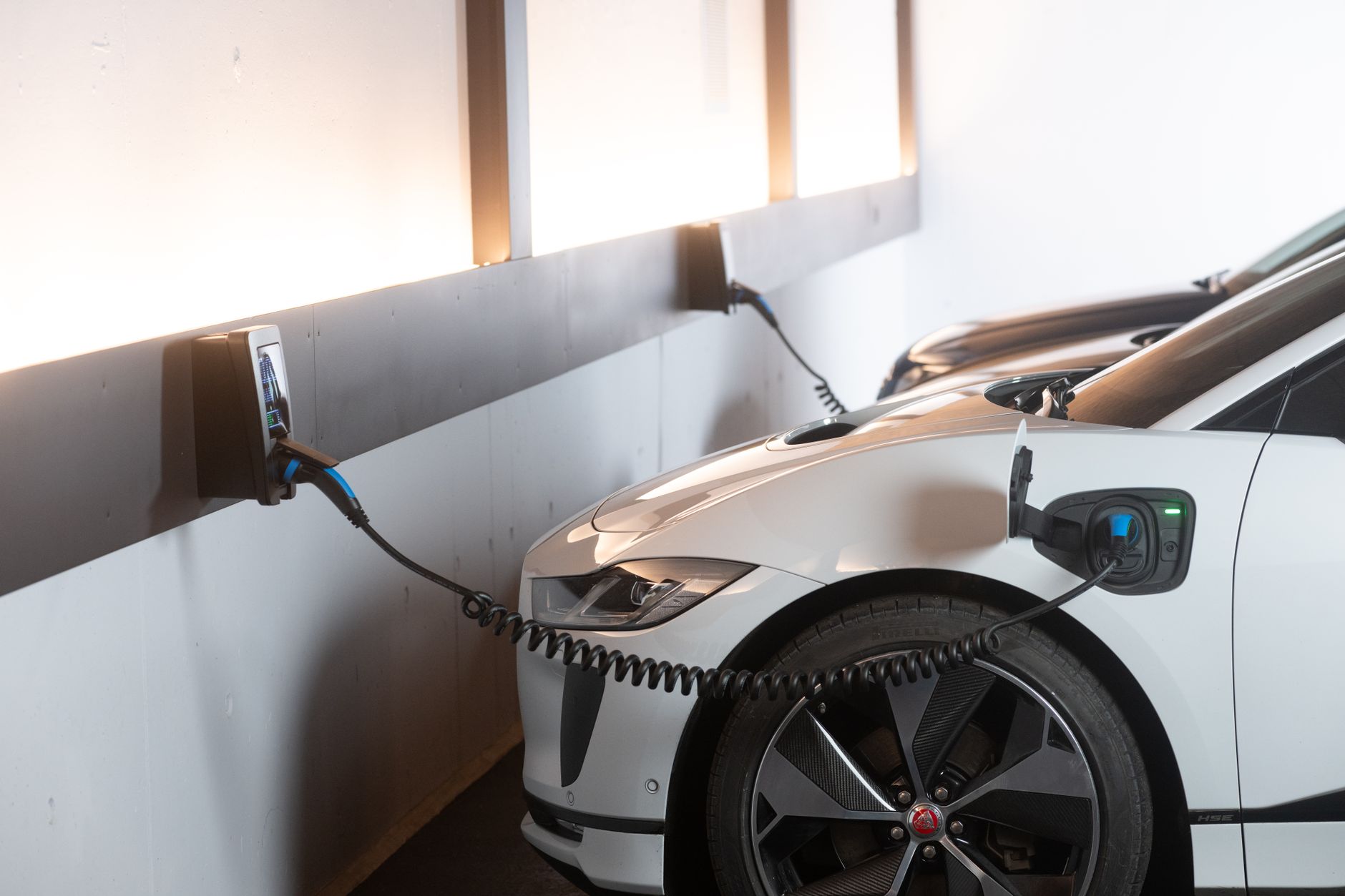
The summer of 2026 is reshaping how Americans think about garage space. With over 4.5 million EVs now on U.S. roads and urban home prices climbing another 8% year-over-year, the sprawling three-car garage of suburban lore has become a luxury few new buyers enjoy. Most EV owners today are working with single-car garages, narrow carports, or shared parking structures barely wider than their vehicles. Yet charging anxiety remains the #2 concern holding back would-be buyers, right behind sticker price. The good news? You don’t need a cavernous garage to charge efficiently—you need the right electric car for small garage charging solutions that maximize every square inch without sacrificing speed or safety.
The Real Space Problem: Measuring What You’re Actually Working With
Before you browse chargers, grab a tape measure. Most homeowners dramatically overestimate their usable garage space. Here’s what actually matters:
- Door swing clearance: Your charge port location (front, rear, or side) determines how much room you need to open doors and walk around
- Charger body depth: Wall-mounted units protrude 6-12 inches; pedestal units need 18-24 inches of floor space
- Cable management: A dangling 25-foot charging cable can consume 15+ square feet of floor area when not neatly stored
The average American single-car garage measures 12 feet by 22 feet, but once you account for storage, workbenches, and the reality that 73% of single-car garage owners also use the space for bikes, tools, or seasonal items, your effective vehicle space often shrinks to 10 feet by 18 feet. That’s tight for a modern EV, which averages 6-7 feet wide with mirrors extended.
Pro tip: Park your current vehicle, open all doors fully, and mark where your feet land. That’s your minimum walkable zone. Your charger needs to live outside this perimeter.
Wall-Mounted Wonders: Chargers That Disappear
The smartest electric car for small garage charging solutions start with vertical thinking. Wall-mounted Level 2 chargers have evolved dramatically since 2023, and several 2026 models are specifically designed for tight spaces.
The Grizzl-E Mini (released March 2026) measures just 5.1 inches deep—roughly the thickness of a hardcover book. It delivers 32 amps (7.7 kW) through a 20-foot cable, sufficient to add 25-30 miles of range per hour. At $349, it’s also one of the most affordable UL-listed options.
ChargePoint Home Flex remains the category leader for good reason: its adjustable amperage (16-50 amps) lets you match your home’s electrical capacity without overbuilding. The 2026 revision adds a 180-degree rotating cable holster that hugs the wall, reducing protrusion by 40%.
Tesla Universal Wall Connector deserves mention even for non-Tesla owners. Its integrated cable retractor—essentially a spring-loaded drum—keeps the 24-foot cord elevated and off your floor entirely. Third-party adapters now work reliably with most CCS-equipped vehicles.
Installation matters as much as hardware. Mount your charger at 48-52 inches high (measured to the cable exit point) with the holster positioned so the cable drapes naturally toward your charge port without crossing your walking path. For side-port vehicles like the Hyundai Ioniq 6 or BMW i4, this often means mounting on the rear wall rather than the side wall—counterintuitive but space-efficient.
The Ceiling Solution: Overhead Cable Management That Changes Everything
If floor and wall space are both scarce, look up. Overhead charging systems, borrowed from commercial fleet depots, are entering the residential market in 2026.
The JuiceBox Overhead (pilot program, $899 estimated retail) suspends a retractable cable reel from ceiling joists, dropping the connector to vehicle height via a weighted pulley system. When finished charging, the cable retracts completely overhead. This eliminates both floor clutter and wall protrusion.
For DIY-inclined owners, commercial retractable extension cord reels (rated 30+ amps, $150-250) offer a budget alternative. Mount to a ceiling joist with a heavy-duty bracket, add a J1772 extension cable, and you’ve created a custom overhead system. Critical safety note: Only use reels explicitly rated for continuous electrical loads, not standard workshop cord reels.
Ceiling height requirements: minimum 8 feet for comfortable operation, 9+ feet ideal. This approach works spectacularly well in garages with overhead storage racks—you’re already using vertical space, so the cable reel integrates naturally.
Vehicle Choice: Compact EVs With Flexible Charging Placement
Your charger location and your vehicle design must coordinate. Some 2026 EVs are notably more garage-friendly than others:
| Vehicle | Width | Charge Port Location | Turning Circle | Notes |
|---|---|---|---|---|
| Mini Cooper SE Electric | 68.0 in | Right rear corner | 35.4 ft | Narrowest new EV sold in US |
| Hyundai Ioniq 6 | 74.0 in | Right rear corner | 36.4 ft | Excellent for rear-wall chargers |
| BMW i4 eDrive40 | 72.9 in | Right rear fender | 38.1 ft | Slim profile, precise parking |
| Volkswagen ID.7 | 77.0 in | Right rear corner | 37.7 ft | Larger but port placement helps |
| Tesla Model 3 | 72.8 in | Left rear corner | 38.8 ft | Left-side port affects layout |
The front-port vehicles—Nissan Leaf, some Ford Mustang Mach-E configurations, and all Mercedes EQ models—demand significantly more garage maneuvering space. In a 10-foot-wide effective parking zone, a front-port EV requires you to pull in nose-first with precision, then squeeze around the vehicle to connect. Rear-port vehicles let you back in (often easier with backup cameras) and access the port from the garage entrance side.
The 2026 Mini Cooper SE Electric deserves special attention for urban small-garage owners. At 68 inches wide, it’s narrower than a Honda Civic. Its range grew to 165 EPA miles for 2026—modest, but sufficient for the typical 35-mile daily commute that defines small-garage urban ownership. More importantly, its charge port sits in the right rear corner, the most forgiving location for tight-space maneuvering.
Electrical Realities: When Your Panel Can’t Handle 50 Amps
Here’s where small-garage solutions often stumble. Many urban homes and condos built before 1990 have 100-amp electrical panels with limited spare capacity. A full 50-amp Level 2 circuit may require a panel upgrade costing $2,000-4,000—destroying the economics of home charging.
Load-sharing chargers solve this elegantly. The Emporia Vue 2 EV Charger ($399) includes whole-home energy monitoring and can automatically throttle charging amperage based on your home’s real-time electrical demand. Running the dryer and AC simultaneously? It drops to 16 amps. Everything else off? It ramps to 40 amps. This lets you install a 50-amp circuit without upgrading your panel, using the same “load management” technology that utilities have used for decades with water heaters.
Solar-integrated charging offers another path. If your small garage has roof space for even 4-6 solar panels (roughly 1.6-2.4 kW), a DC-coupled system like the SolarEdge EV Charger can deliver 6-9 kW directly from panels to vehicle during daylight hours, bypassing your main panel entirely for that power flow. This is niche but increasingly viable as solar costs drop below $2.50/watt installed.
For the truly panel-constrained, Level 1.5 solutions exist. The TurboCord Dual (120V/240V, 16 amps) plugs into a standard dryer outlet and delivers 12 miles of range per hour—double standard Level 1, without requiring a dedicated circuit. It’s not fast, but overnight it adds 100+ miles, covering most daily needs.
The Condo and Carport Playbook: When You Don’t Control the Garage
Not every small garage is your small garage. Apartment dwellers and condo owners face additional constraints: HOA approval, shared electrical costs, and installation permission.
Portable Level 2 chargers have matured significantly. The Mustart Travelmaster (2026 revision, 32 amps, $279) weighs 4.2 pounds and includes interchangeable plugs for NEMA 14-50, 6-50, and standard 5-15 outlets. It delivers genuine Level 2 speeds when you find a compatible outlet, and falls back to Level 1 otherwise. Keep it in your frunk; it’s your charging insurance policy.
For carport owners without enclosed storage, weatherproofing becomes critical. The ChargePoint Home Flex carries NEMA 3R rating, sufficient for covered outdoor use. The Grizzl-E Classic is NEMA 4-rated—fully weatherproof for exposed installations. Both include theft-deterrent features (locking holsters, hardwired options) that matter when your charger is publicly visible.
Community charging advocacy is increasingly effective. As of July 2026, 14 states now have “right to charge” laws preventing HOAs from outright banning EV charger installation. The DOE’s EV Charging Toolkit for Multi-Unit Dwellings, updated this spring, provides free templates for presenting cost-sharing proposals to condo boards. Frame it as property value: Zillow’s 2026 data shows EV-ready parking adds 3-4% to condo resale values in major metros.
Making Your Decision: A Small-Garage Charging Checklist
Before purchasing any equipment, verify these specifics:
- Measure twice: Effective parking space, not total garage dimensions
- Identify your port: Front, rear, left, or right—this drives everything
- Audit your electrical: Panel capacity, available breaker slots, existing 240V outlets
- Check local incentives: Many utilities now offer $500-1,000 for Level 2 installation; some cover load-sharing devices specifically
- Plan for the next EV: Your charger will outlast your current vehicle; buy 40-amp capability even if your present car only accepts 32
Conclusion
The narrative that EV ownership demands suburban sprawl and three-car garages is outdated—and increasingly expensive misinformation. With deliberate equipment selection, creative vertical space use, and vehicles matched to your physical constraints, small-garage charging isn’t a compromise. It’s a optimization that often forces smarter decisions than owners of cavernous garages ever confront.
The best electric car for small garage charging solutions combine three elements: a compact or cleverly designed vehicle, a charger that respects your square footage, and an electrical strategy that doesn’t require demolishing walls. In 2026, all three are more accessible than ever. Your garage may be small, but your charging experience doesn’t have to be.