
Electric Car Charger Not Working? 7 Fixes That Actually Work (2026)
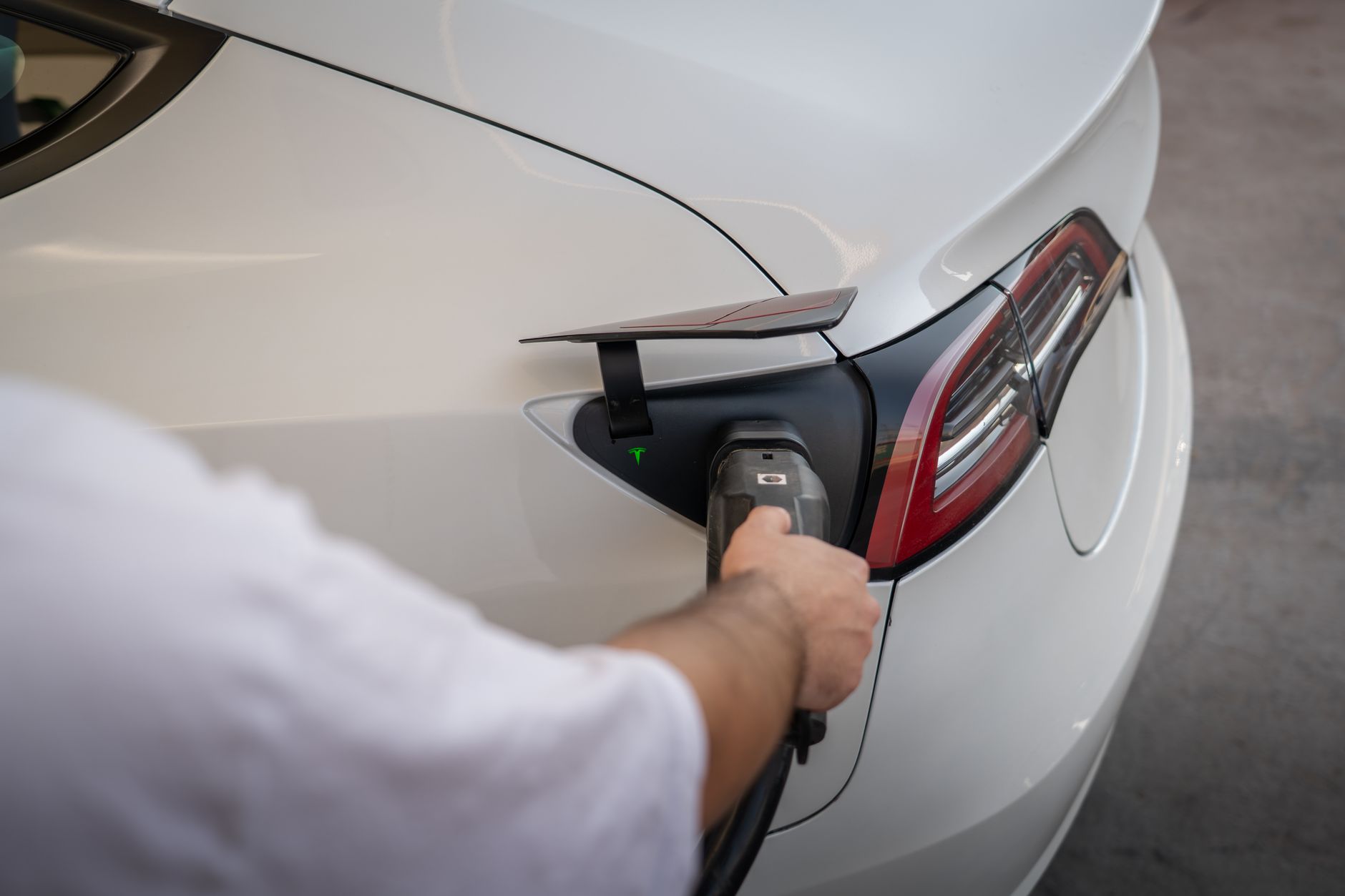
You pull into your driveway after a long day, plug in your EV, and… nothing. No click, no light, no charging confirmation on your app. If you’ve found yourself frantically searching “electric car charger not working” at 11 PM before a morning road trip, you’re not alone. With over 4 million EVs now on American roads heading into winter 2026, charging failures have become the number one complaint in owner forums — especially as temperatures drop and aging first-generation chargers start showing their age.
Here’s the good news: roughly 70% of charging failures have nothing to do with your car’s battery or the charger itself. Most issues come down to simple fixes you can handle in under 15 minutes. Let’s walk through exactly how to diagnose and fix the problem, whether you’re dealing with a home Level 2 charger or a stubborn public DC fast charger.
First, Figure Out Where the Problem Lives
Before you start resetting breakers or calling electricians, you need to isolate the culprit. An electric car charger not working could mean the charger is dead, your car is refusing the charge, or something in between is blocking the connection.
Run this quick 3-step diagnostic:
- Check the obvious: Is the charger’s power light on? Most home chargers (ChargePoint Home Flex, JuiceBox, Tesla Wall Connector) have an LED indicator. No light means no power — check your breaker panel first.
- Try a different charger: If you’re at home, test with the mobile charger that came with your car plugged into a regular 120V outlet. If your car charges, your home unit has the problem. If it doesn’t, your car is the issue.
- Try a different car (if possible): Got a neighbor with an EV? Ask them to plug in. This instantly tells you if the problem is your charger or your vehicle.
This 5-minute process saves you hours of guessing. I’ve seen owners replace $600 chargers when the actual problem was a $12 breaker.
Home Charger Not Working? Start With These 5 Fixes
Home charging failures spike every fall and winter. Cold weather makes cables stiff, moisture gets into connectors, and increased electrical loads from heating systems can trip breakers. Here’s what to check, in order:
1. The breaker tripped (most common culprit) Your EV charger pulls 30-50 amps continuously — that’s more than your dryer, oven, and water heater combined. Head to your electrical panel and look for a tripped breaker (it’ll be in the middle position, not fully ON or OFF). Flip it fully OFF, then back ON. If it trips again immediately, you have a wiring problem or a failing charger. Call an electrician.
2. The connector isn’t fully seated This sounds too simple, but J1772 and NACS connectors need a firm push until you hear or feel a click. Cold weather makes the rubber seals stiff, and a partially connected plug won’t charge. Push harder than you think you need to. On Tesla’s NACS connector, listen for the latch to engage.
3. Your charger needs a reset Smart chargers like the ChargePoint Home Flex and Emporia EV Charger occasionally freeze up, especially after power outages or WiFi disruptions. Unplug the unit from power for 60 seconds, then plug it back in. For hardwired units, flip the breaker off for a full minute. This fixes about 30% of “dead charger” complaints.
4. Scheduled charging conflicts Check your car’s app and your charger’s app. Many EVs (especially Teslas, Hyundai Ioniq 5, and Ford Mustang Mach-E) have scheduled charging features that override manual plug-ins. If your car is set to charge only between 11 PM and 6 AM for off-peak rates, plugging in at 7 PM won’t do anything. Disable the schedule temporarily to test.
5. GFCI outlet tripped (for portable chargers) If you’re using a Level 1 charger plugged into a garage outlet, the GFCI (that outlet with the little reset button) may have tripped. Press the reset button firmly. If it keeps tripping, the outlet or the charger cable has a ground fault — stop using it and get it inspected.
Public Charger Not Working? You’re Not Alone
Public charging reliability has improved since the dark days of 2023, but J.D. Power’s 2026 study still found that 1 in 5 public charging attempts fails. Here’s how to handle it:
At DC fast chargers (Electrify America, EVgo, Tesla Supercharger):
- Try a different stall. Seriously. Electrify America’s newer stations have 8-12 stalls, and individual units fail regularly. Just move to the next one.
- Check the cable temperature. In summer, overheated cables throttle or shut down. In winter, frozen connectors won’t latch. If the cable feels extremely hot or the connector won’t click, move stalls.
- Restart the session. End the session in the app, unplug, wait 30 seconds, and start fresh. This resolves most communication errors between the charger and your car.
- Check your car’s battery temperature. If your battery is below 32°F and your car doesn’t have active preconditioning, DC fast charging may refuse to start or crawl at 10 kW. Preheat your battery (most EVs do this automatically when you navigate to a charger).
At Level 2 public chargers (ChargePoint, Blink, Flo):
- Authenticate first, then plug in. Some chargers need you to tap your card or app before connecting the cable. Read the screen.
- Check for ICE-ing or broken screens. If the screen is cracked or unresponsive, report it in the app and find another charger. PlugShare’s real-time user reports are gold here — check recent check-ins before driving out of your way.
When Your Car Is the Problem
If multiple chargers fail with your specific vehicle, the issue is on the car side. Common culprits include:
- Charge port door sensor malfunction: Many EVs won’t charge if they think the port door is open or damaged. Clean around the port and make sure nothing is blocking the sensor.
- Software glitch: A full vehicle reboot fixes this. On Teslas, hold both steering wheel scroll wheels until the screen restarts. On most other EVs, turn the car off, lock it, and wait 5 minutes.
- 12V battery failure: Your EV’s 12V battery powers the computers that manage charging. If it’s weak (common after 3-4 years), charging may fail with cryptic error messages. A $150 replacement often solves mysterious charging issues.
- Onboard charger failure: This is the expensive one. The onboard charger converts AC power to DC for your battery. If it fails, Level 1 and Level 2 charging stop working, but DC fast charging might still function. Warranty usually covers this — get to a dealer.
Prevention: Keep Your Charger Healthy Year-Round
A little maintenance prevents most charging headaches:
- Inspect cables monthly for cracks, fraying, or bent pins. Replace damaged cables immediately — they’re fire hazards.
- Keep connectors clean. Use compressed air to blow out dust and debris. Never use water or solvents on the pins.
- Update firmware. Smart chargers get regular updates that fix bugs and improve compatibility. Check your app monthly.
- Protect outdoor units. If your charger is exposed to the elements, a simple weather cover ($20-40 on Amazon) extends its life significantly.
- Test your backup plan. Know where your nearest reliable public charger is before you need it at midnight.
The Bottom Line
An electric car charger not working is frustrating, but it’s rarely a catastrophe. Start with the simple stuff — breakers, connections, and resets — before assuming the worst. Most fixes take minutes, not days, and cost nothing. When in doubt, your EV’s app usually displays specific error codes that point you in the right direction. Screenshot those codes before calling support; it’ll cut your troubleshooting time in half.
As charging networks expand and home chargers mature through 2026, reliability keeps improving. But until we reach gas-station-level dependability, knowing these basics will keep you charged, on schedule, and stress-free.