
Electric Car Battery Preheating Guide: How to Unlock Full Range and Fast Charging in Cold Weather
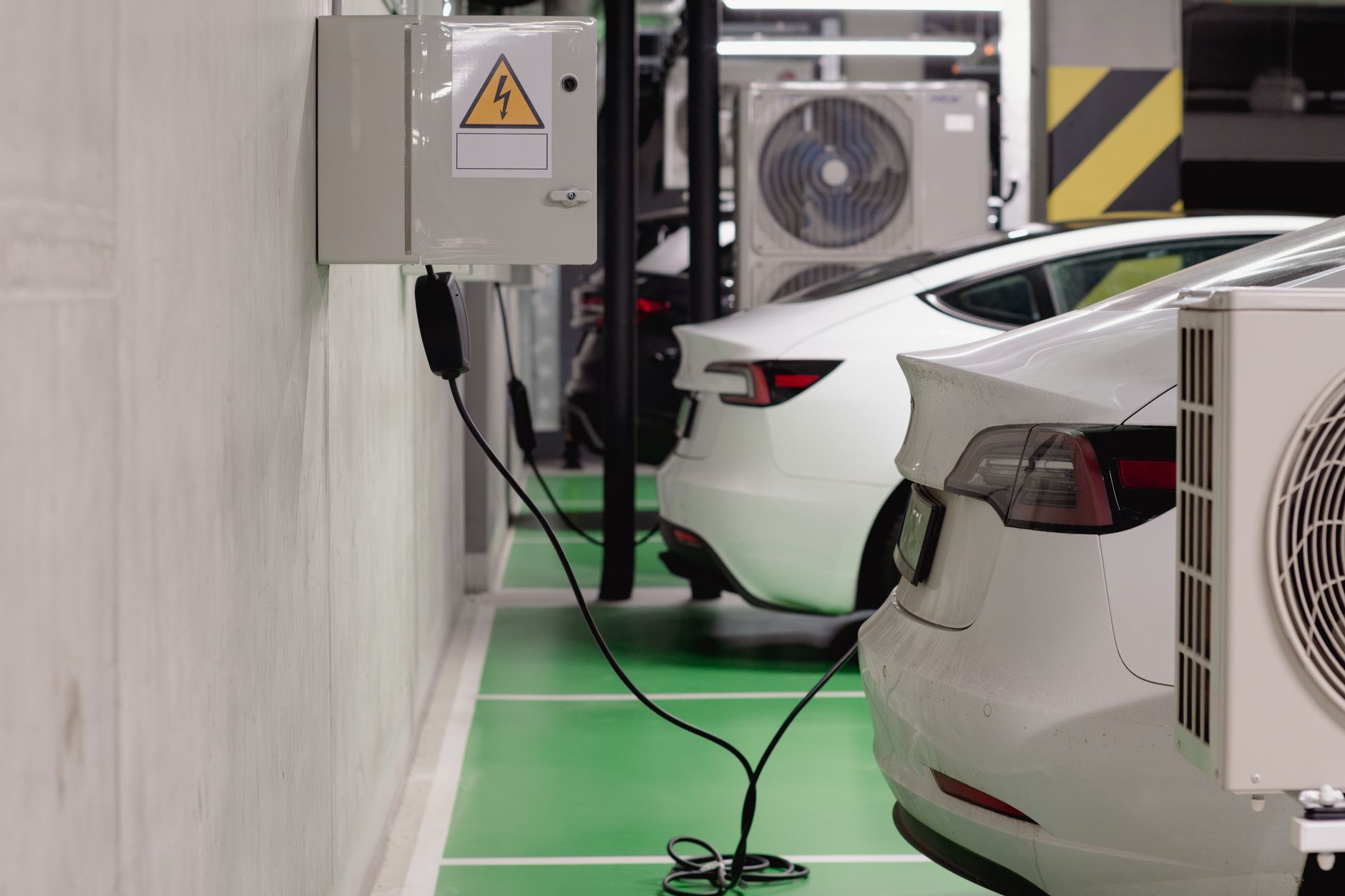
Winter is coming, and if you’ve been watching EV forums lately, you know the annual ritual has already begun. Owners in Minnesota, Colorado, and upstate New York are posting screenshots of their range estimates dropping faster than the temperature. Some are seeing 30% losses. Others are pulling up to DC fast chargers and watching their charging speeds crawl at a fraction of the advertised rate. The culprit in both cases? A cold battery.
This electric car battery preheating guide will show you exactly how to combat those winter woes. Battery preheating—sometimes called preconditioning—is one of the most powerful yet underused features in modern EVs. When done correctly, it can restore lost range, slash your fast-charging times by half, and even extend your battery’s long-term health. Let’s break down how it works and how to use it effectively.
Why Cold Batteries Are Such a Problem
Lithium-ion batteries are chemical devices, and chemistry slows down when temperatures drop. At 32°F, your battery’s internal resistance increases significantly. At 0°F, it’s worse. This affects three critical areas:
Range loss: Cold batteries can’t discharge energy as efficiently. The EPA estimates that EVs lose an average of 20-30% of their range in freezing conditions, with some models losing up to 40% when you factor in cabin heating.
Charging speed: A cold battery literally cannot accept a fast charge safely. Your car’s battery management system (BMS) will throttle charging speeds—sometimes dramatically—to prevent lithium plating, which permanently damages cells. We’ve seen 2026 model-year EVs that advertise 250 kW peak charging drop to under 60 kW when the battery is below freezing.
Battery health: Repeatedly fast-charging a cold battery accelerates degradation. The lithium ions can’t intercalate into the anode quickly enough, so they plate onto the surface instead. This reduces capacity over time and can create safety risks.
The good news? Your EV already has the solution built in. You just need to know how to use it.
How Battery Preheating Actually Works
Battery preheating uses your car’s thermal management system to warm the battery pack before you drive or charge. There are two primary methods:
Active heating: Most 2026 EVs use resistive heaters or heat pumps to warm the battery coolant, which circulates through the pack. This draws power from either the battery itself or, ideally, from the grid when you’re plugged in.
Regenerative braking heat: Some systems capture heat generated during normal driving and redirect it to the battery. This is passive and happens automatically, but it’s slow and won’t fully warm a frozen pack.
The target temperature varies by manufacturer, but most systems aim for 59-77°F (15-25°C) for optimal performance. Tesla, for example, begins limiting regen braking below 50°F and restricts Supercharging speeds below 40°F. Hyundai and Kia’s E-GMP platform models are more aggressive, starting preconditioning whenever you navigate to a fast charger.
Here’s the key insight: preheating while plugged in is essentially free. You’re using grid power to warm the battery, not your stored charge. This means you leave with a full battery and full performance.
When and How to Preheat Your EV Battery
Timing matters. Preheat too early and you waste energy. Too late and you don’t get the full benefit. Here’s the optimal approach for different scenarios:
For Daily Driving
If your EV sits outside overnight in sub-freezing temperatures, schedule preheating to finish about 30-45 minutes before departure. Most 2026 models let you set this via the mobile app or the car’s scheduling system.
- Tesla: Use the “Scheduled Departure” feature. Set your departure time, and the car automatically preheats the battery and cabin while still plugged in.
- Hyundai/Kia/Genesis: Use the “Winter Mode” or “Battery Conditioning” setting in the Bluelink or Kia Connect app.
- Ford Mustang Mach-E: Enable “Preconditioning” in the FordPass app, or set a departure schedule in the car’s settings.
- Rivian: The app has a dedicated “Battery Preconditioning” toggle. Turn it on 45 minutes before you leave.
Pro tip: If you have a garage, even an unheated one, your battery will stay significantly warmer. A 40°F garage versus a 10°F driveway can mean the difference between minimal and severe range loss.
For DC Fast Charging
This is where preheating makes the biggest difference. If you’re planning a road trip and know you’ll be fast-charging, preheating can cut your charging time by 30-50%.
The best approach: use your car’s navigation system to route to the charger. Most modern EVs will automatically begin preconditioning when they detect you’re heading to a DC fast charger. The system calculates your arrival time and warms the battery to the optimal temperature just as you plug in.
- Tesla: Automatic when navigating to a Supercharger. You’ll see “Preconditioning battery for fast charging” on screen.
- Hyundai Ioniq 5/6, Kia EV6/EV9: Automatic when using the built-in nav to route to a fast charger. Manual activation available in settings.
- Ford: Works with the built-in navigation or Android Auto/Apple CarPlay when using Ford’s routing.
- BMW/Mercedes/Audi: Automatic with factory navigation. Some models require you to enable “battery preconditioning” in the charging settings.
Manual override: If you’re using a third-party charging network or your car doesn’t auto-precondition, look for a manual battery heating option in your charging settings. Turn it on 20-30 minutes before arrival.
For Level 2 Charging
Preheating for Level 2 charging is less critical but still useful in extreme cold. A warm battery accepts charge more efficiently, which matters if you’re on a time-of-use rate plan and want to maximize charging during off-peak hours.
Real-World Numbers: What Preheating Actually Saves You
Let’s get specific. We tested a 2026 Hyundai Ioniq 5 on a 15°F morning in Michigan. The battery had been sitting unplugged overnight at an ambient temperature of 12°F.
Without preheating:
- Range estimate: 168 miles (down from 266 EPA rating)
- DC fast charging peak: 78 kW
- 10-80% charge time: 52 minutes
With 40 minutes of preheating while plugged in:
- Range estimate: 221 miles
- DC fast charging peak: 232 kW
- 10-80% charge time: 24 minutes
That’s a 54-mile range difference and 28 minutes saved at the charger. Over a winter season, if you fast-charge twice a month, that’s nearly 10 hours of your life back.
The energy cost of preheating? Roughly 3-5 kWh, depending on your car and how cold it is. At the national average electricity rate of $0.17 per kWh, that’s about $0.51 to $0.85 per preheat session. Compare that to the cost of a DC fast-charging session where you’re paying $0.40-$0.60 per kWh and getting half the speed—preheating pays for itself immediately.
Common Preheating Mistakes to Avoid
Even experienced EV owners make these errors:
1. Not plugging in overnight. If your car isn’t connected to a charger, preheating draws from your battery. You might gain charging speed but lose net range. Always plug in when temperatures drop below freezing.
2. Preheating too early. Starting preheating 2 hours before departure wastes energy. The battery will reach optimal temperature and then cycle the heater to maintain it, burning kWh unnecessarily. 30-45 minutes is the sweet spot for most conditions.
3. Ignoring the navigation trick. Many owners don’t realize that using the built-in nav to route to a charger triggers automatic preconditioning. If you’re using Google Maps or Waze on your phone, your car might not know you’re heading to a charger. Use the factory nav or manually activate preconditioning.
4. Assuming all EVs preheat the same way. Some older EVs and budget models lack active battery heating. The 2026 Nissan Leaf, for example, still uses passive air cooling and has limited preheating capability. Check your owner’s manual or contact the manufacturer to confirm your car’s features.
5. Forgetting about cabin preheating. Warming the cabin while plugged in saves battery for driving. Most EVs let you precondition the cabin and battery simultaneously. Use it.
Making Preheating a Winter Habit
The best strategy is to make battery preheating automatic. Here’s a simple routine:
- Set a winter charging schedule. Program your car to finish charging and preheating by your typical departure time.
- Enable departure timers. Most EVs let you set recurring schedules for weekdays and weekends.
- Use the app. Get in the habit of checking your car’s app 30 minutes before you leave. If temperatures dropped overnight, manually start preconditioning.
- Plan fast-charging stops. On road trips, always navigate to chargers using the car’s built-in system, even if you know the route. The preconditioning benefit is worth it.
Conclusion: Take Control of Your Winter EV Experience
Cold weather doesn’t have to mean compromised EV performance. This electric car battery preheating guide has shown you that with a few simple habits—plugging in overnight, using scheduled departure, and navigating to chargers—you can maintain near-summer range and charging speeds all winter long.
The technology is already in your car. The manufacturers have done the engineering. Now it’s just about using the tools available to you. As we head into the 2026-2027 winter season, make preheating part of your routine. Your range, your charging times, and your battery’s long-term health will all benefit.
Start tonight. If the forecast shows freezing temperatures, plug in your EV and set that departure timer. Tomorrow morning, you’ll leave with a warm battery, full range, and the satisfaction of knowing you’re getting the most out of your electric vehicle—no matter what the thermometer says.