
Electric Car Battery Life Expectancy by Model: 2026 Guide
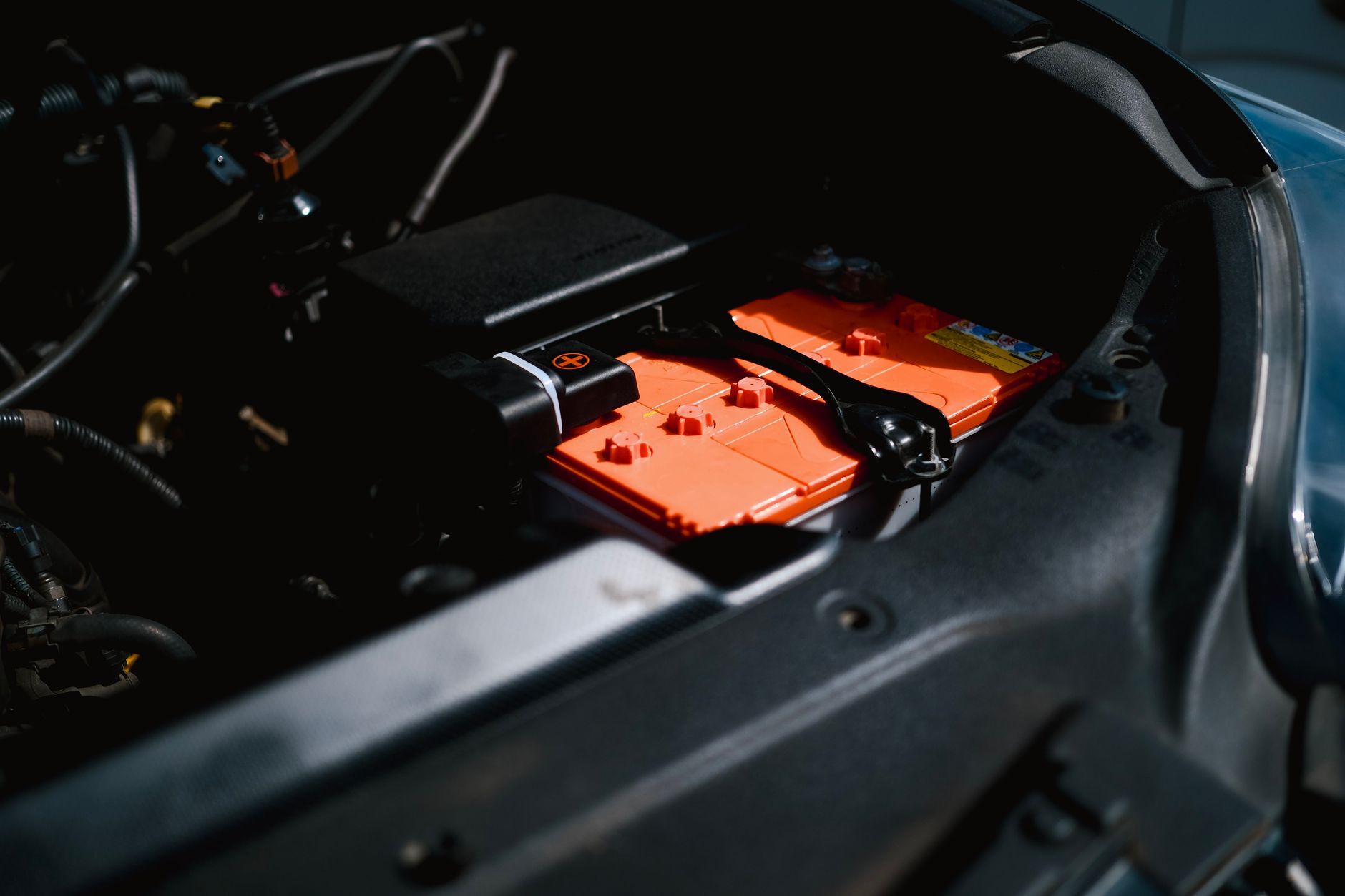
As automakers roll out their 2026 model year vehicles this fall, a quiet revolution is happening under the floorboards: battery chemistry is finally delivering on the “million-mile” promises made years ago. If you’re shopping for an EV this season, understanding electric car battery life expectancy by model isn’t just technical trivia—it’s the difference between a car that lasts 150,000 miles and one that crosses 300,000 miles with minimal range loss.
While every EV sold in the U.S. carries a federally mandated 8-year/100,000-mile battery warranty, real-world data from 2026 shows massive variation between models. Some retain 90% of their original capacity after a decade, while others dip below 80% in half that time. Here’s how today’s popular models actually stack up.
Why Battery Life Varies Dramatically Between Models
Not all lithium-ion packs are created equal. The divergence in longevity comes down to three engineering choices manufacturers made years before the car hit dealer lots.
Chemistry matters most. Lithium Iron Phosphate (LFP) batteries—now standard in base-model Teslas and many Chinese imports—typically tolerate 3,000–5,000 charge cycles before dropping to 80% capacity. Nickel Manganese Cobalt (NMC) packs, favored for their energy density in long-range models, usually deliver 1,500–2,500 cycles. That translates to roughly 500,000 miles for LFP versus 250,000 miles for NMC before significant degradation.
Thermal management separates the marathon runners from the sprinters. Liquid-cooled batteries maintain optimal temperatures during fast charging and hot weather, preserving cell integrity. Passive air-cooled systems—found in older Nissan Leafs and some budget EVs—struggle in Phoenix summers or rapid charging scenarios, accelerating capacity fade.
Software buffers protect your investment. Manufacturers deliberately lock away 5–10% of the battery’s total capacity as a buffer. As cells age, the software gradually unlocks this reserve to mask degradation. A car showing 92% battery health on the dashboard might actually have 85% physical capacity remaining—the buffer is hiding the decline.
Electric Car Battery Life Expectancy by Model: The 2026 Rankings
Based on fleet data from telematics providers, owner surveys, and battery health reports from 2026, here’s how specific models perform in real-world conditions.
Tesla Model 3/Y (LFP variants)
Expected lifespan: 300,000–500,000 miles
Degradation rate: ~1% per year after initial 3% drop
Tesla’s switch to LFP chemistry in Standard Range models has created a longevity sweet spot. Data from high-mileage fleet operators shows these packs retaining 90% capacity at 200,000 miles. The caveat? Long Range and Performance trims still use NMC chemistry, which degrades faster—expect 80% capacity around 180,000 miles.
Hyundai Ioniq 5 / Kia EV6
Expected lifespan: 250,000–350,000 miles
Degradation rate: ~1.5% annually
Hyundai’s E-GMP platform uses advanced NMC cells with exceptional thermal management. 2026 data shows these vehicles losing only 5–7% capacity in the first 100,000 miles when using scheduled charging and avoiding frequent 350kW DC fast charging sessions.
Ford Mustang Mach-E
Expected lifespan: 200,000–300,000 miles
Degradation rate: ~2% annually
Ford’s extended-range NMC batteries show slightly higher degradation than Korean rivals, particularly in hot climates. However, the standard-range LFP option introduced in 2024 shows promise for matching Tesla’s longevity, though long-term data is still maturing.
Nissan Leaf (2018–2026)
Expected lifespan: 120,000–180,000 miles
Degradation rate: ~3–4% annually
The Leaf remains the cautionary tale. Its passive air-cooling system struggles in warm climates, with 2026 Phoenix-area Leafs showing 25% capacity loss by 80,000 miles. However, in mild Pacific Northwest climates, these same batteries often exceed 200,000 miles with 80% health intact.
Chevrolet Bolt EV/EUV
Expected lifespan: 200,000–250,000 miles
Degradation rate: ~2% annually
Post-recall battery replacements gave many Bolts fresh packs with improved chemistry. Current data suggests these GM batteries hold up well, though the lack of active thermal preconditioning for DC fast charging can accelerate wear if you road-trip frequently.
How to Check Your Battery’s Actual Health
Don’t rely on the dashboard guess-o-meter. To get your true electric car battery life expectancy by model baseline, you need diagnostic data.
Use the built-in diagnostics. Tesla owners can access battery health via the service menu (hold the Tesla logo, enter “service”). Hyundai/Kia drivers can request a State of Health (SOH) report through the Bluelink app or dealership scan tools. Most 2026 models now include SOH readouts in the vehicle settings menu.
Third-party OBD2 scanners work. Devices like the OBDLink MX+ paired with apps like Car Scanner or LeafSpy (for Nissan) reveal individual cell voltages and true capacity versus original specifications. Look for cell variance above 0.05 volts—that indicates imbalance and potential future issues.
Track your charging efficiency. If your 75 kWh battery now only accepts 62 kWh from 10% to 100%, you have approximately 17% degradation, regardless of what the range estimator claims.
Extending Your Specific Model’s Battery Life
While you can’t change your car’s fundamental chemistry, you can dramatically slow the aging process with model-specific strategies.
For LFP-equipped vehicles (Tesla Standard Range, Ford Mach-E Select):
- Charge to 100% weekly for battery management system calibration without worry
- These packs prefer being kept at higher states of charge; don’t stress about 80% limits
- Avoid prolonged storage below 20% charge
For NMC vehicles (Long Range Teslas, most luxury EVs):
- Set daily charge limits to 80% (70% in extreme heat)
- Use scheduled departure charging to minimize time at 100%
- Precondition the battery before DC fast charging in cold weather—this is critical for Hyundai/Kia E-GMP vehicles to prevent lithium plating
For air-cooled batteries (Nissan Leaf):
- Park in shade or garages during summer
- Avoid back-to-back DC fast charging sessions
- Consider aftermarket thermal management add-ons if you live in climate zones with 100°F+ summers
Universal best practices:
- Limit DC fast charging to road trips only; Level 2 AC charging is gentler
- Avoid storing the vehicle at 0% or 100% for more than 24 hours
- Keep tires properly inflated—reduced rolling resistance decreases depth of discharge per mile
The Bottom Line
Understanding electric car battery life expectancy by model empowers you to choose a vehicle that matches your ownership timeline. If you keep cars for 15 years, prioritize LFP chemistry and liquid cooling. If you upgrade every 5 years, NMC’s faster degradation won’t affect you.
Before buying used, always request a battery health report specific to that VIN—not just the model’s reputation. A well-maintained 2019 Tesla Model 3 might have more life left than a neglected 2023 Nissan Leaf. As 2026 brings us closer to solid-state batteries and 500,000-mile lifespans becoming standard, today’s EVs are proving that with proper care, the battery will likely outlast the suspension components. Your next step? Check your specific model’s owner forums for real-world degradation threads, and invest in a $50 OBD2 scanner to verify what your dashboard isn’t telling you.