
Best Used Electric Cars Under 25000 in 2026: Top Value Picks That Beat the New Market
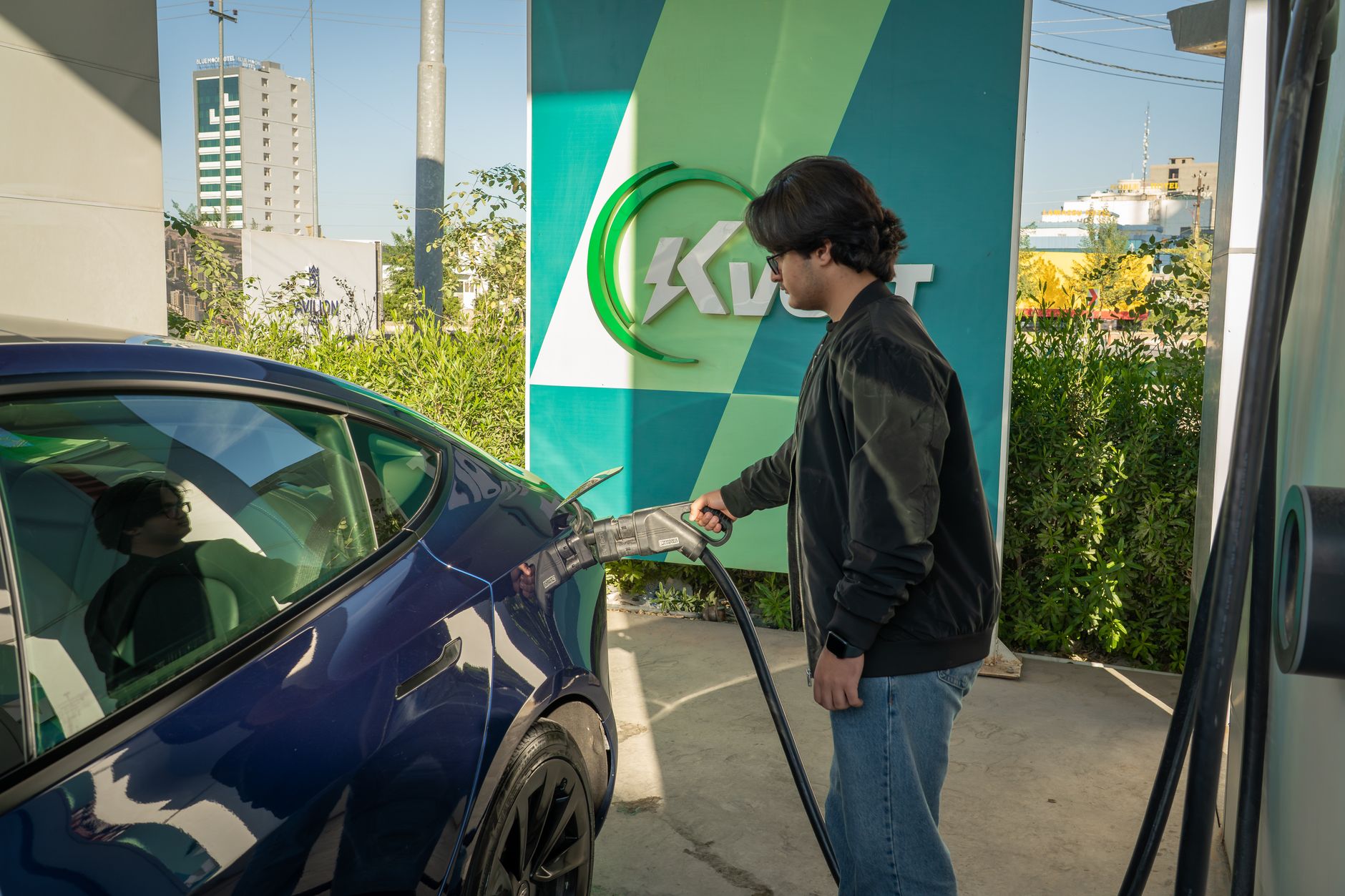
With new electric vehicle prices still hovering near $55,000 on average in late 2026, the used market has become the smart buyer’s battleground. If you’re hunting for the best used electric cars under 25000, you’re entering the market at the perfect moment. Lease returns from the 2023-2024 EV boom are flooding dealer lots, and early adopters trading up to 800-volt architecture are creating a surplus of reliable, tech-rich models at half their original MSRP.
You don’t need to settle for a compliance car with 80 miles of range. Today’s sub-$25,000 used EVs include former luxury flagships, long-range commuters, and even some SUVs that cost $60,000 just three years ago. Here’s how to navigate this buyer’s market without getting burned by a degraded battery or outdated charging tech.
Why 2026 Is the Perfect Storm for Used EV Buyers
The used EV market has fundamentally shifted in the last twelve months. According to recent industry data, used EV prices dropped another 12% year-over-year while used gas car prices held steady. Three factors are driving this unprecedented value:
The lease return tsunami: Those attractive $199/month lease deals from 2023 are now returning to dealerships as 3-year-old off-lease vehicles with 30,000-45,000 miles. Most still carry the balance of their original 8-year/100,000-mile battery warranties.
Charging standard consolidation: The industry’s shift to NACS (Tesla’s plug standard) means 2021-2023 CCS-equipped vehicles are trading at discounts, even though adapters solve the compatibility issue for under $200.
Battery longevity data: We now have real-world proof that modern EV batteries retain 85-90% capacity after 100,000 miles, destroying the “battery replacement boogeyman” that scared buyers away from used models just two years ago.
Top 5 Best Used Electric Cars Under 25000 Right Now
These picks balance range, reliability, charging speed, and that critical remaining battery warranty. Prices reflect October 2026 market averages for clean-title examples with 30,000-50,000 miles.
2022-2023 Hyundai Ioniq 5 SEL ($22,000-$24,500) Yes, you read that correctly. Early Ioniq 5 models have depreciated into this bracket, offering 800-volt ultra-fast charging (10-80% in 18 minutes) and 303 miles of range. Look for the SEL trim with the larger 77.4 kWh battery. These feature vehicle-to-load capability—essentially a rolling generator—that newer budget EVs still can’t match.
2021-2022 Tesla Model 3 Standard Range Plus ($21,000-$24,000) The poster child for EV value retention has finally become affordable. With 263 miles of EPA range and access to Tesla’s Supercharger network (now opening to other brands but still most reliable for Tesla vehicles), this remains the safest bet. Verify the battery health via the service menu; look for degradation under 10%.
2022-2023 Chevrolet Bolt EUV Premier ($19,000-$23,000) After the 2023 battery recall replacements, these are essentially new cars with fresh battery packs. The EUV offers 247 miles of range, Super Cruise hands-free driving (on Premier trims), and hatchback practicality. The 2022+ models fixed the earlier battery fire issues with new LG cells.
2021-2022 Ford Mustang Mach-E Select ($23,000-$25,000) You’ll need to hunt for high-mileage examples (45,000-60,000 miles) to hit this price point, but they’re out there. The 88 kWh extended-range battery delivers 270+ miles, and the Mach-E’s thermal management system has proven robust in extreme climates.
2020-2021 Kia Niro EV EX Premium ($18,000-$22,000) The dark horse candidate. With 239 miles of range, heat pump standard (crucial for winter efficiency), and Kia’s industry-leading warranty transferability, this compact crossover flies under the radar. The EX Premium trim includes ventilated seats and a heat pump that preserves range in cold weather.
The Battery Health Check You Can’t Skip
Never buy a used EV without verifying battery state of health (SOH). Unlike a gas engine that might burn oil gradually, EV batteries degrade invisibly until range becomes unusable. Here’s your inspection checklist:
Use the OBD-II dongle method: Purchase a $30 OBD-II scanner and download the appropriate app (Leaf Spy for Nissan, Torque Pro for others). Look for “State of Health” readings above 85%. Anything below 80% means you’re buying a car with 20% less range than advertised.
Check the DC fast charging history: Ask the seller for charging habits. A car that lived on DC fast chargers (especially in hot climates) degrades faster than one primarily charged at Level 2 home stations. Frequent Supercharging isn’t automatically bad—Tesla’s battery management is excellent—but combined with Arizona heat, it accelerates wear.
Verify the warranty transfer: Most EV battery warranties (8 years/100,000 miles) transfer to subsequent owners, but some certified pre-owned programs extend coverage. Hyundai/Kia offer lifetime hybrid battery warranties that don’t always transfer fully to second owners—read the fine print.
Look for buffer indicators: Some manufacturers (notably Chevrolet with the Bolt) replaced batteries under recall with updated chemistry. These “recall replacement” batteries often have better longevity than the originals and reset the warranty clock.
Charging Compatibility: The NACS Transition
As of late 2026, the charging landscape is mid-transition. If you’re buying a used EV today, you need to understand the plug situation:
CCS (Combined Charging System): Found on most non-Tesla EVs from 2020-2023. These vehicles require a $150-250 adapter to use Tesla Superchargers (now widely available). However, they still work perfectly at Electrify America, EVgo, and ChargePoint stations.
NACS (Tesla): If you buy a used Tesla, you’re golden for road trips. If you buy a 2025+ non-Tesla with NACS, you can use Superchargers natively but need an adapter for CCS stations.
CHAdeMO: Avoid unless you’re buying a Nissan Leaf for strictly local use. This standard is effectively dead in North America, with charging networks rapidly removing CHAdeMO plugs.
Pro tip: For 2021-2023 CCS vehicles, factor the adapter cost into your budget. The ability to access Tesla’s 15,000+ Supercharger stalls transforms a used EV from a city car into a legitimate road trip machine.
Financing and Total Cost Reality Check
Used EVs under $25,000 often qualify for the federal used clean vehicle tax credit—up to $4,000 off if the car is at least two model years old, costs under $25,000, and you buy from a dealer (not private party). This effectively drops a $23,000 Ioniq 5 to $19,000 out the door.
Insurance considerations: EVs cost 10-15% more to insure than gas equivalents, but used models have lower replacement costs, narrowing the gap. Get quotes before buying—some insurers still penalize EVs unfairly, while others (like Tesla Insurance or specialty EV providers) offer competitive rates.
Maintenance math: Budget $200-400 annually for cabin air filters, tire rotations (EVs wear tires faster due to torque), and brake fluid checks. You’ll save $1,200+ yearly on fuel compared to a 30 MPG gas car, assuming 12,000 miles and home charging at $0.15/kWh.
Making Your Move in the Used EV Market
The best used electric cars under 25000 won’t stay this affordable forever. As charging infrastructure matures and gas prices continue their volatile climb, demand for these sub-$25,000 EVs is accelerating. Start your search with certified pre-owned programs from Hyundai, Kia, or Ford—they often include extended battery warranties and rigorous inspections that justify a $1,000-2,000 premium over private party sales.
Focus on 2021-2023 model years to maximize remaining battery warranty, prioritize vehicles with documented charging histories, and don’t fear high mileage if the battery health checks out. A 60,000-mile EV with 90% battery health will serve you better than a 30,000-mile example that lived on DC fast chargers in Death Valley.
Your perfect used EV is sitting on a dealer lot right now, probably listed as a “compliance car” or “city runabout” by a salesperson who doesn’t understand the goldmine they’re sitting on. Armed with battery health knowledge and charging adapter awareness, you’re ready to drive home in tomorrow’s technology at yesterday’s prices.