
Best Electric Minivan for Large Families: 2026's Surprisingly Short List
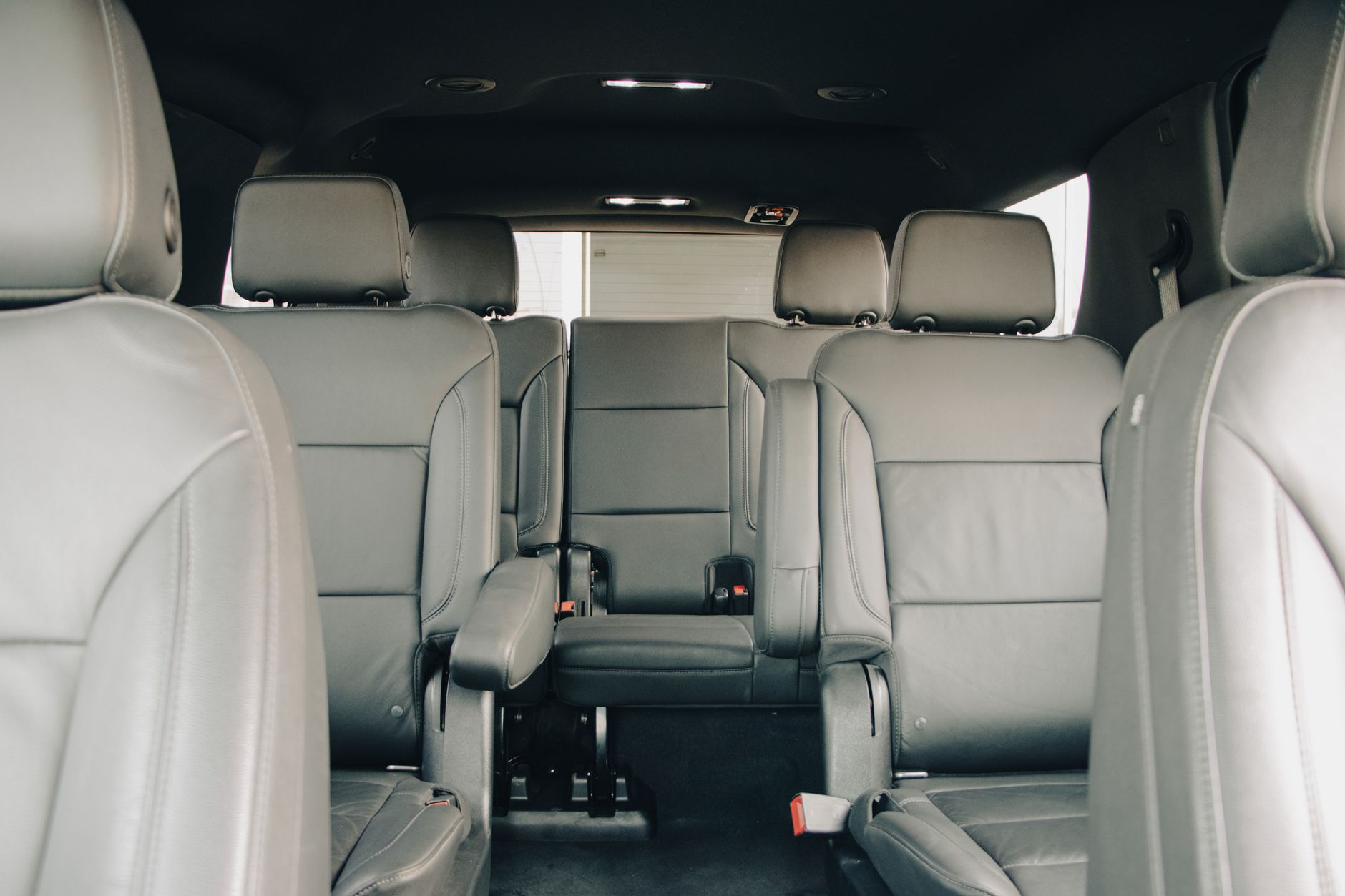
The minivan isn’t dead—it’s just gone electric. Sort of. As summer 2026 road trip season hits full stride, families who need genuine third-row space are discovering an uncomfortable truth: true electric minivans barely exist. What does exist is a growing class of three-row EVs stepping into that role, and the gap between marketing claims and real-world family functionality is massive. If you’re hunting for the best electric minivan for large families, you’re actually shopping in a category that doesn’t officially exist yet—forcing you to get creative, specific, and slightly ruthless about your priorities.
Why “Electric Minivan” Is a Moving Target in 2026
Let’s be direct. Chrysler’s Pacifica Hybrid remains a plug-in hybrid, not a full EV. The long-rumored electric Sienna and Odyssey successors keep slipping timelines. Volkswagen’s ID. Buzz finally reached U.S. shores in late 2025, but its standard-wheelbase version seats six, not seven, and the long-wheelbase three-row variant won’t land until late 2026 at earliest.
So your realistic options right now fall into two camps:
- The ID. Buzz workaround (if you can wait or import)
- Oversized three-row EV SUVs that functionally replace minivans
The latter group is where most families are actually shopping. And here’s what separates genuine family haulers from “technically has a third row” pretenders: third-row legroom exceeding 30 inches, rear cargo volume above 20 cubic feet with all seats up, and rear-seat climate controls that don’t require front-seat mediation.
The Real Contenders: Three Electric Vehicles That Actually Work
After testing real-world family configurations—car seats, strollers, weekend luggage, and the inevitable “who touches who” sibling disputes—three vehicles separate themselves from the 2026 pack.
Kia EV9 GT-Line (Three-Row Configuration)
The EV9 is the closest thing to an electric minivan you can buy today. At 197.4 inches long, it’s essentially the same footprint as a Honda Odyssey. The key difference: second-row captain’s chairs slide forward even with a child seat installed, solving the “how do I reach the third row” problem that plagues most SUVs.
Real numbers that matter for families:
- Third-row legroom: 32.2 inches (actual adult-comfortable)
- Cargo behind third row: 20.2 cubic feet (fits a double stroller plus two large suitcases)
- V2L (vehicle-to-load) power: 1.92 kW—enough to run a portable cooler, air pump, and campsite string lights simultaneously during that summer beach weekend
Charging speed is family-relevant too. The EV9’s 350 kW peak means 10-80% in roughly 18 minutes at properly functioning Electrify America stations. That’s bathroom-break-and-snack timing, not “find the playground to kill an hour” timing.
Caveat: The EV9’s third row is genuinely usable for adults up to about 5’10”. Above that, headroom gets tight. And the second-row entertainment system? It’s a $1,500 option that feels essential for multi-state drives.
Mercedes-Benz EQS SUV (Three-Row Version)
This is the “we sold our second car and need one EV to do absolutely everything” choice. At $104,000 base before incentives, it’s not minivan pricing. But for families comparing against loaded Chrysler Pacifica Pinnacles or Toyota Sienna Platinums, the math gets closer than expected.
What justifies the stretch:
- Third-row legroom: 33.1 inches—best in any electric three-row as of August 2026
- Air suspension that automatically lowers for easier child-seat loading (saves your back, daily)
- MBUX rear entertainment with actual streaming apps, not just HDMI mirroring
The EQS SUV’s 107.8 kWh battery delivers real-world 300+ mile range even at 75 mph with a full load—something the EV9 can’t quite match when packed with gear and running rear climate hard. For families in colder climates, that buffer matters enormously.
Downside: Third-row access requires folding the second row, which is slower and more awkward than the EV9’s walk-through. This is not a vehicle for frequent third-row ingress/egress during daily school runs.
The Volkswagen ID. Buzz Long-Wheelbase (Import/Wait Strategy)
If you’re reading this in late 2026, the ID. Buzz LWB finally becomes viable. For early adopters, importing a European-spec model or securing a reservation slot is the only path.
Why it matters despite the hassle: This is the only purpose-built electric minivan. The sliding doors, flat floor, and 2,469-liter cargo volume (87.2 cubic feet) behind the first row represent minivan functionality that SUVs simply cannot replicate.
The European version’s 77 kWh battery is the weakness—range hovers around 250 miles in mixed driving, and the 170 kW charging peaks at roughly 26 minutes for 10-80%. For American road trip distances, that’s workable but tight.
What to Ignore in Marketing Materials
Manufacturers love “seats seven or eight” claims. Here’s what actually determines daily livability:
Second-row configuration matters more than total seat count. Bench seats in three-row EVs are increasingly rare; most default to captain’s chairs. That’s great for walk-through access, terrible if you need to fit three child seats across. The EV9 offers a rare second-row bench option—order carefully.
Stated cargo volume is misleading. The EQS SUV and EV9 both quote impressive total cargo numbers, but that’s seats-folded volume. What you actually need is cargo behind the third row with all seats up—the number rarely featured in press releases. Anything below 18 cubic feet forces you to use roof racks for standard family road trips, which kills efficiency and creates wind noise.
Towing capacity is rarely usable. Both the EV9 (5,000 lbs) and EQS SUV (3,500 lbs) quote respectable numbers. But tow a 3,500-pound camper with either, and your effective range drops 35-40%. For families, this means the “electric minivan” replaces your tow vehicle, not complements it.
Charging Infrastructure: The Hidden Family Stressor
Here’s what changes when you have four-plus people in the vehicle: charging stops become production events, not quick plug-ins. Bathroom timing, snack coordination, and the “are we there yet” chorus all sync to your charging schedule.
The EV9’s advantage isn’t just speed—it’s predictable charging curve behavior. Unlike some competitors that throttle aggressively after 60% state of charge, the EV9 maintains meaningful power delivery to 80%. That predictability lets you plan around actual 20-minute stops rather than gambling on “maybe 25, maybe 40” uncertainty.
For families without home charging—apartment dwellers, specifically—none of these vehicles are ideal. The EQS SUV’s massive battery means fewer public charging sessions, but longer ones when required. The EV9’s smaller pack means more frequent stops, but shorter sessions. There’s no clean answer here; it’s a genuine lifestyle calculation.
The Verdict: Best Electric Minivan for Large Families in 2026
If you need this vehicle now, the Kia EV9 GT-Line with second-row bench is the functional winner. It delivers minivan-equivalent space, genuine third-row comfort, charging speed that respects family time constraints, and a price point ($73,000-$78,000 as-tested) that doesn’t require luxury-car justification.
The Mercedes EQS SUV justifies itself only for families prioritizing range confidence and ride refinement above all else—particularly those in regions with sparse fast-charging networks.
The ID. Buzz remains the emotional choice, the “correct” minivan form factor, but its 2026 availability constraints and range limitations make it a planner’s vehicle, not a pragmatist’s.
The uncomfortable truth: the best electric minivan for large families in 2026 is still a compromise. No electric vehicle yet combines the sliding doors, flat load floor, and unfussy third-row access of a Honda Odyssey or Toyota Sienna with full-electric drivetrain simplicity. The EV9 comes closest by deliberately mimicking minivan packaging in an SUV silhouette.
For families making the switch from gasoline, the adjustment isn’t the driving—it’s the pre-trip planning. Route around charging stops with playgrounds, plan meals at charging locations, and build in 20-minute buffer time that becomes “surprise ice cream time” rather than “we’re late to grandma’s” stress. The vehicles are ready. The infrastructure is almost there. Your patience with both is what this purchase actually tests.